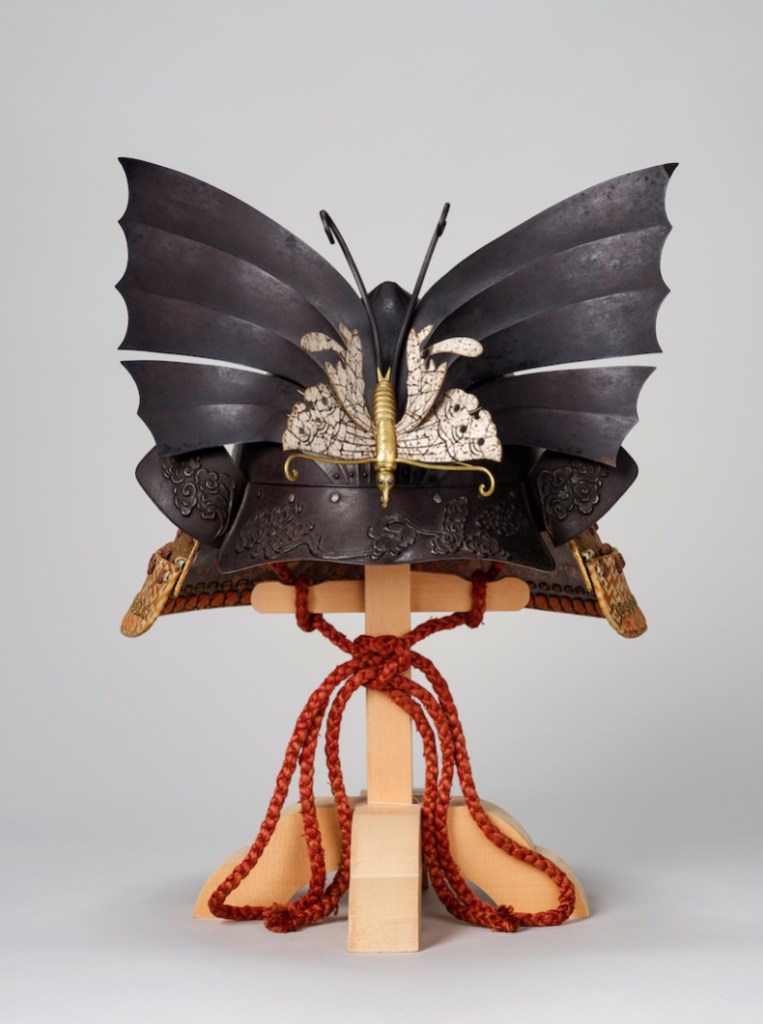
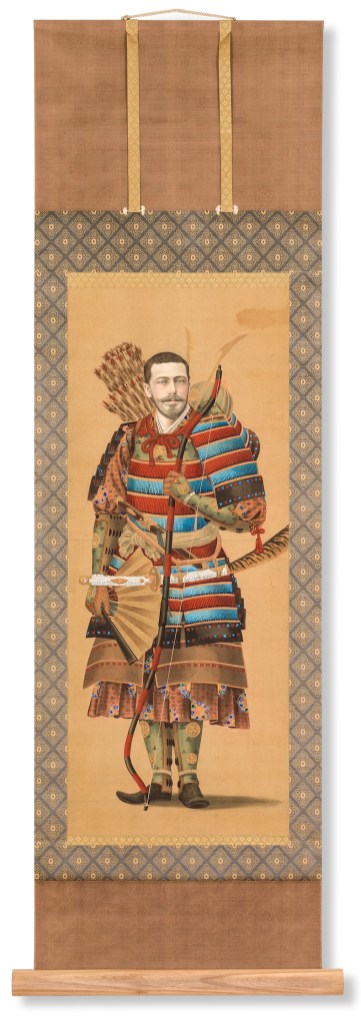
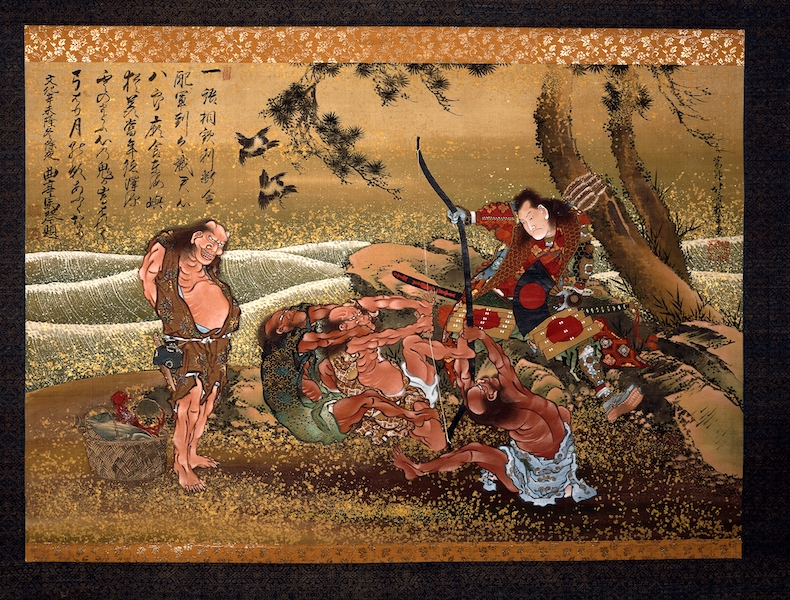
In the popular consciousness, samurai are often associated with fierceness and shows of force – so it’s easy to forget that in Japanese the term comes from the root word saburau, meaning ‘to serve’. Though samurai were abolished in Japan some 150 years ago, they went from being family bodyguards in the 10th century to ruling Japan and patronising the arts by the end of the 12th century. Under the Tokugawa shogunate (1615–1868), a time of relative peace in which samurai were not required to fight battles, they comprised some 10 per cent of the population, serving as ministers, administrators and bureaucrats; half the samurai class were women. This exhibition at the British Museum marshals a wide range of objects, including armour, paintings and luxury goods, to broaden and deepen our sense of who the samurai were (3 February–4 May). It also explores the long afterlife of samurai in fashion, film and video games.
Find out more from the British Museum’s website.
Preview below | View Apollo’s Art Diary