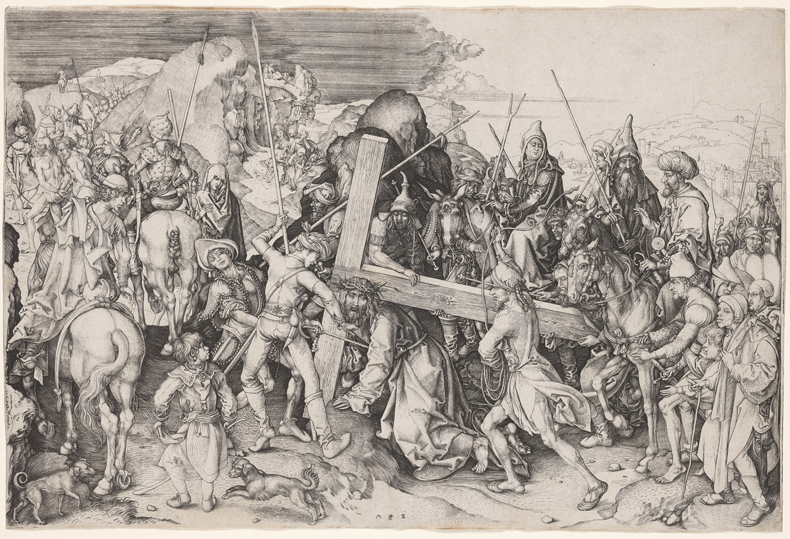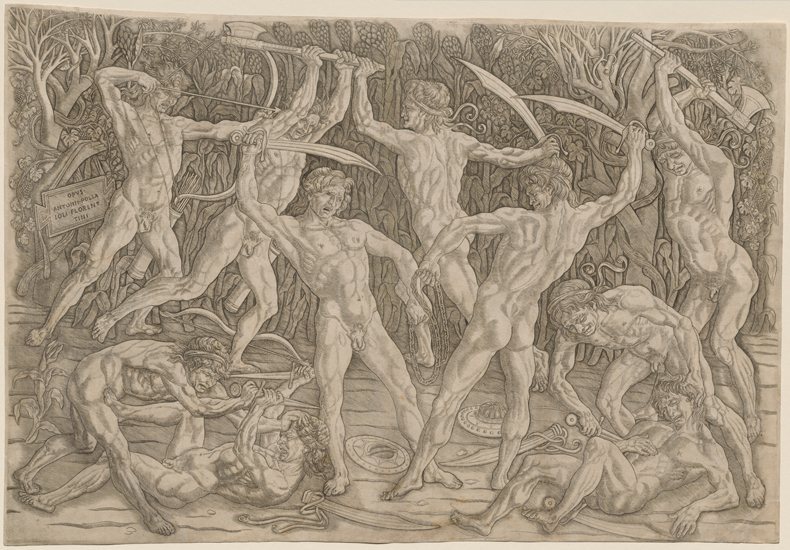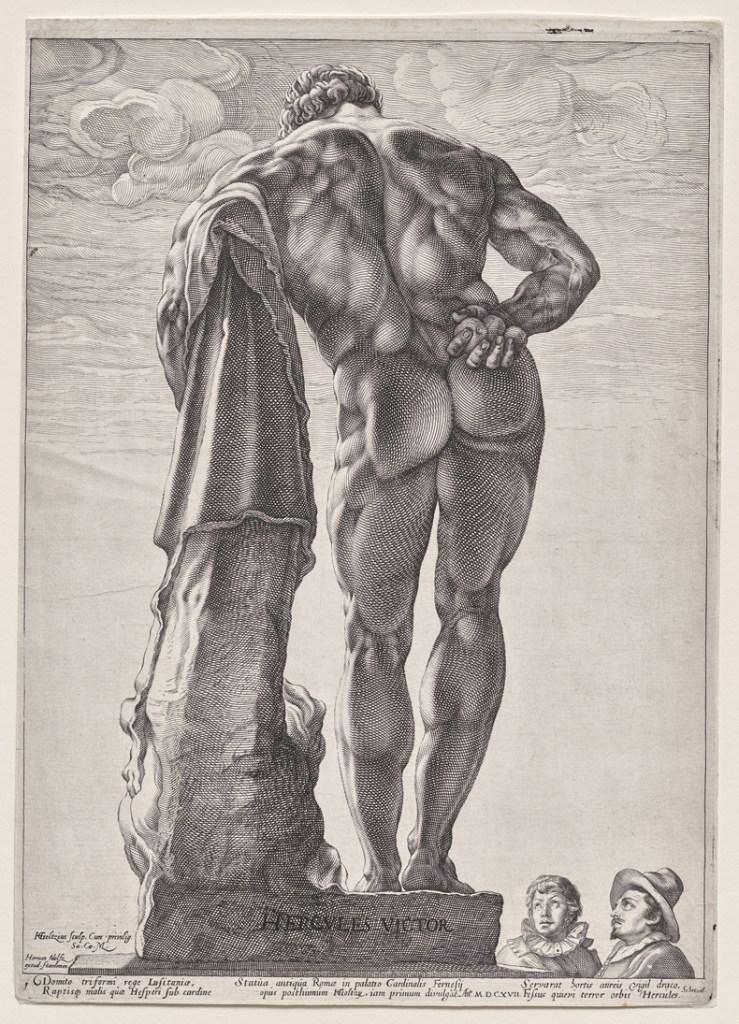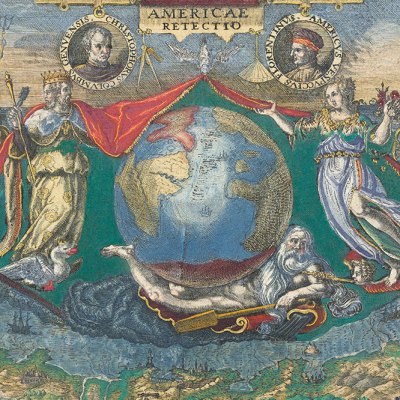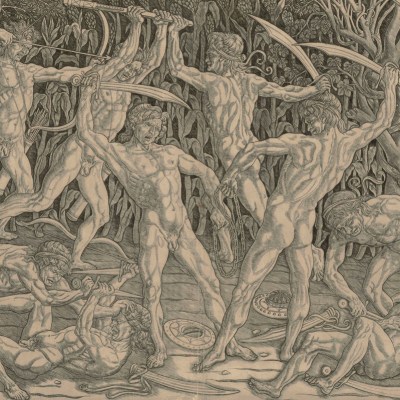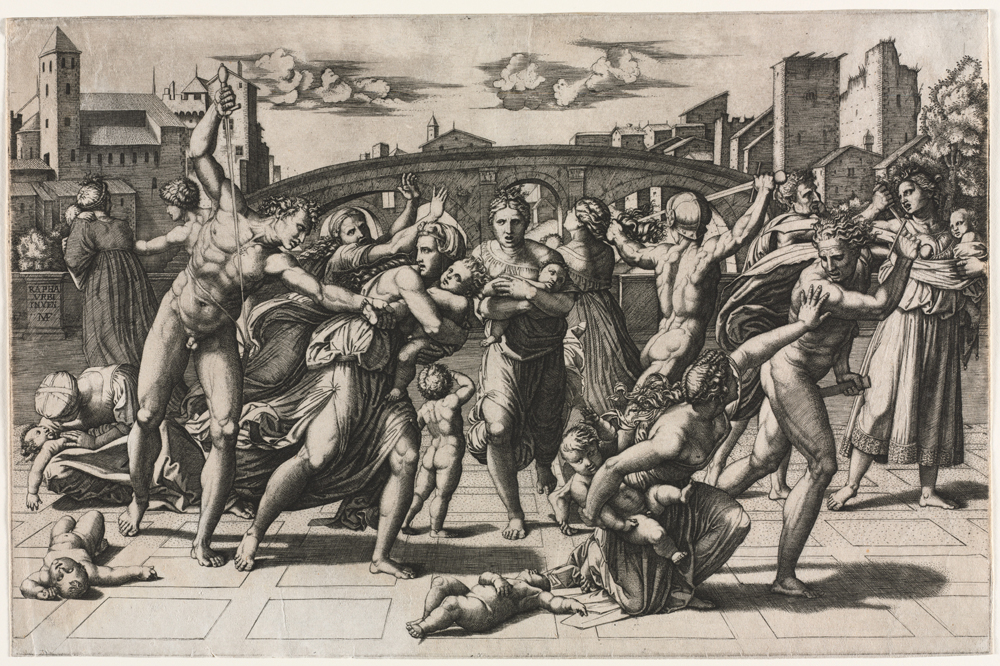
The print revolution transformed art as well as literature. In the mid 15th century – around the time Johannes Gutenberg invented moveable type – a new culture of images took root in Germany, Switzerland and Italy as artists incised pictures into copper plates and then inked and printed them on to paper. Although the images that resulted were startlingly clear, the exact means of their production is not. The Cleveland Museum of Art is drawing from its impressive collection of early engravings – which include Antonio del Pollaiuolo’s Battle of the Nudes (1470s–80s), one of the first prints to depict the male nude in action – to explore how the art form spread from the Rhine throughout western Europe (5 July–1 November). The new findings presented here – that Madonna Enthroned with Eight Angels (1467) was made using goldsmiths’ tools and two burins of different widths, for example – deepen our understanding of how early engravers mastered their art.
Find out more from the Cleveland Museum of Art’s website.
Preview below | View Apollo’s Art Diary