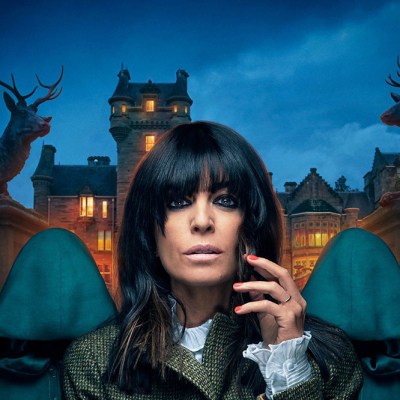

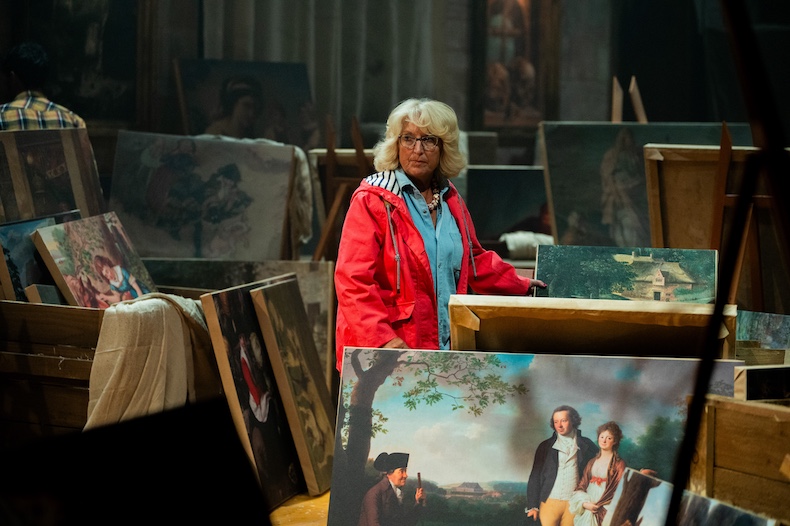
As your roving correspondent has already discussed at some length, there is much about BBC’s The Traitors to tickle the art-lover’s fancy. But a recent episode, which aired last Saturday, was its most arty yet. The challenge, which contestants must complete in order to add money to the prize pot, went like this: one half of the team was shown a series of empty picture frames with short descriptions of scenes, which they then had to act out as best they could. The other group, stationed in the unspeakably messy storage room where the castle’s artworks were kept, would be sent a photo of the contestants acting out the scene and would have to rummage around the room to find the corresponding painting. ‘A beguiling young milkmaid milks a sombre highland cow, whilst the other two cattle rest patiently in the meadow’ was one description, and it pointed to a pastoral scene by Constant Troyon (1810–65). The version shown in the episode has some key details changed from the actual painting by Troyon; whether the show’s producers may have enlisted the help of AI to alter the works, Rakewell would not care to speculate.
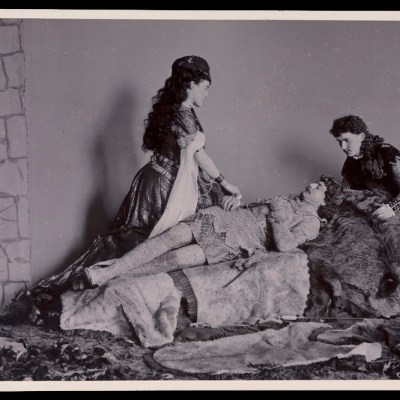
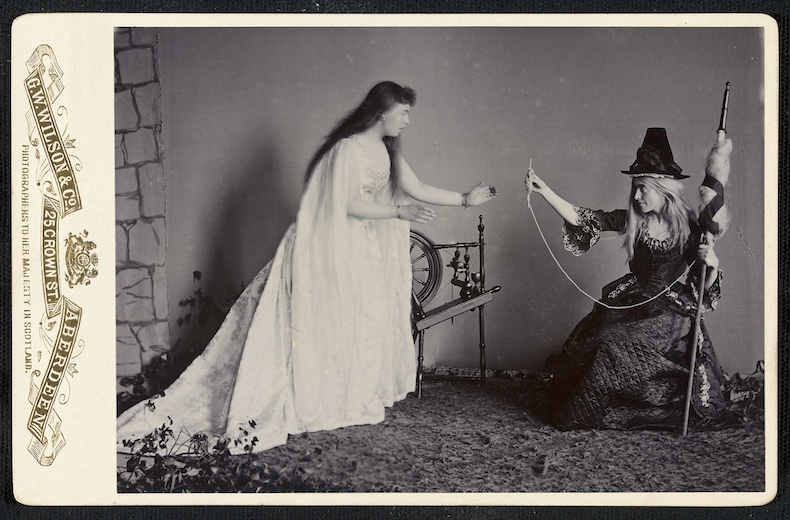
Perhaps the show’s producers still had the festive season and everyone’s favourite Christmas game, charades, in mind when they dreamed up this particular task. The practice of acting out tableaux goes much further back, however, to the Victorian-era pastime of tableaux vivants, in which people – mainly aristocrats – would pose in lavish costumes to recreate a painting or scene from a book. Edith Wharton’s The House of Mirth (1905) memorably describes Lily Bart being invited to a soirée at which the game would be played in order to entertain high-society figures, while several prominent film-makers have also made use of the technique, Sergei Parajanov among them, in his masterpiece The Colour of Pomegranates (1969).
What piqued Rakewell’s interest most of all, however, was the choice of artworks in the episode. Among them was The Picnic (1870) by the Scottish painter James Archer; the top half of a syrupy painting of a young couple embracing in a flowered garden by Hans Zatzka (1859–1945); and a melodramatic work showing a soldier on horseback scaring away villagers by August von Meissl (1867–1926). To describe these as minor works would not be unfair. What lay behind that decision? And why were all the paintings from the 19th century? Presumably the main reason was related to copyright. But it may also have been a way of making sure that the task wasn’t too difficult, especially this early in the series. Watching a group of reality TV contestants try to act out a Rothko Color Field work, say, or one of Lucio Fontana’s slashed canvases, would make entertaining viewing for your roving correspondent, but perhaps would not have been the kind of spectacle prime-time audiences are after.