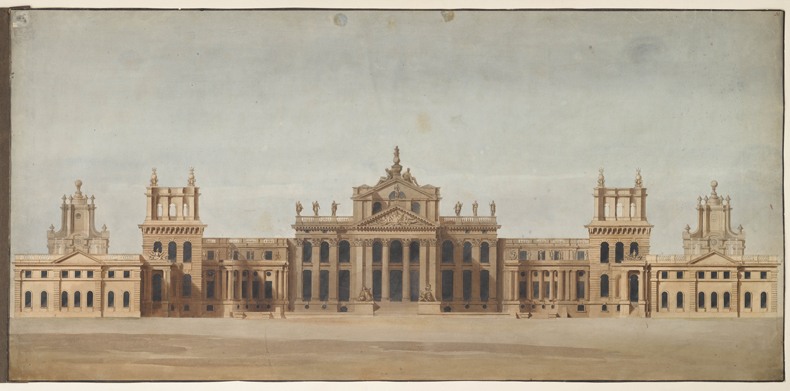
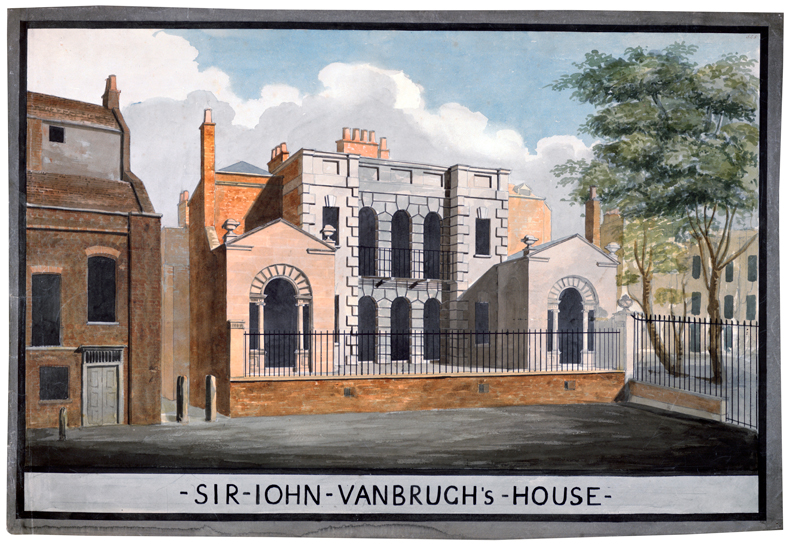
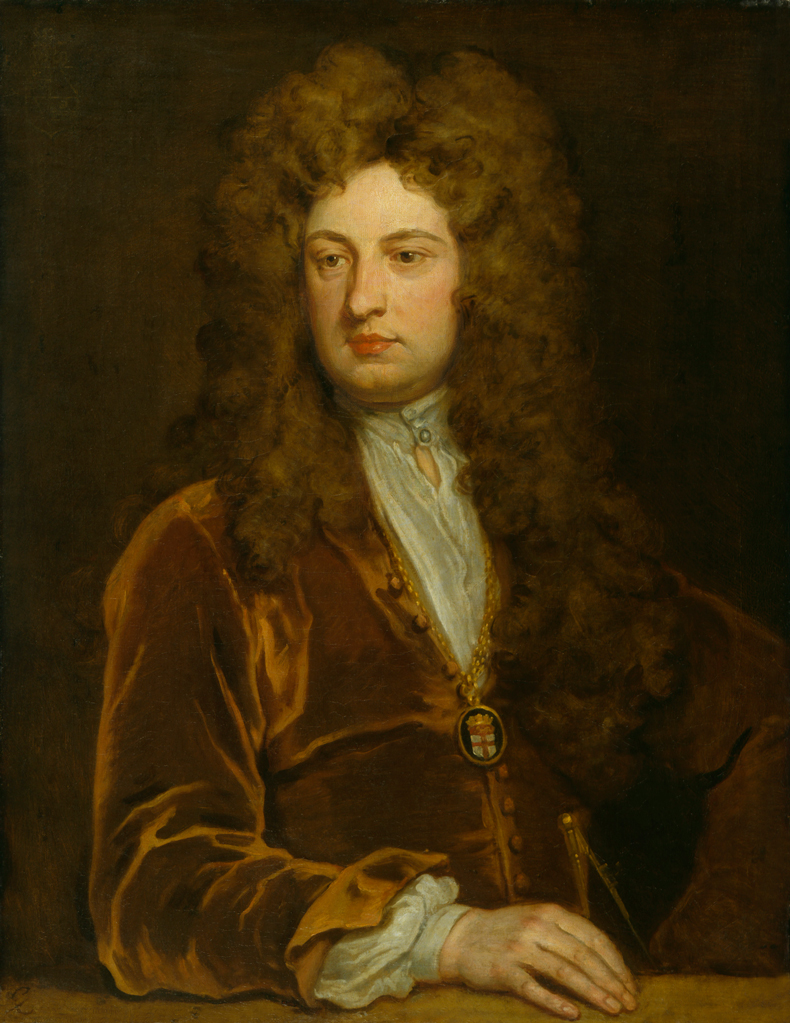
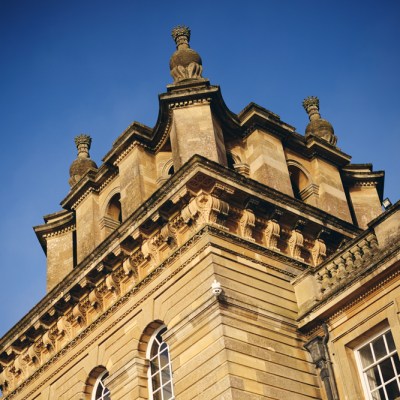
John Vanbrugh (1664–1726) was at various times a playwright, a businessman, a suspected spy – charged with espionage by the French authorities, he spent two years in the Bastille – and a soldier. It’s a good thing he never saw active service, for he went on to design some of the most distinctive stately piles in England, including Castle Howard and Blenheim Palace. John Soane, born a generation after Vanbrugh’s death, declared that Vanbrugh had ‘all the fire and power of Michelangelo and Bernini’, and although Soane opted for neoclassical flair over the kind of baroque splendour for which Vanbrugh is known, both men were inspired by the example of Italian master builders to transform British architecture. It’s fitting, then, that this exhibition of Vanbrugh’s drawings is taking place at Sir John Soane’s Museum, where visitors will see designs for Vanbrugh’s best-known projects as well as more experimental, unrealised schemes, such as plans for a housing estate in Greenwich (4 March–28 June). An accompanying short film also explores Vanbrugh’s influence on contemporary architects such as Robert Venturi and Denise Scott Brown.
Find out more from the Sir John Soane’s Museum website.
Preview below | View Apollo’s Art Diary