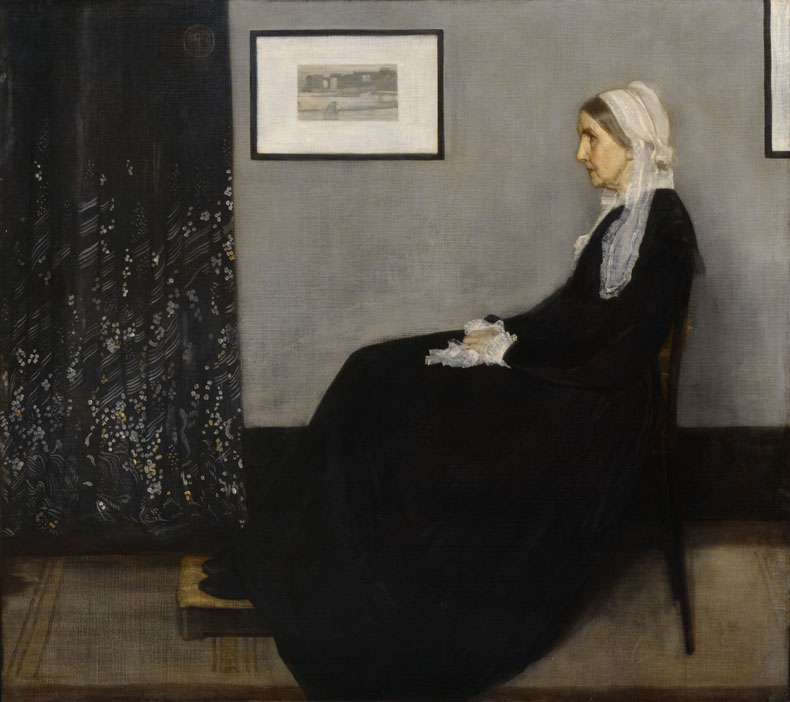
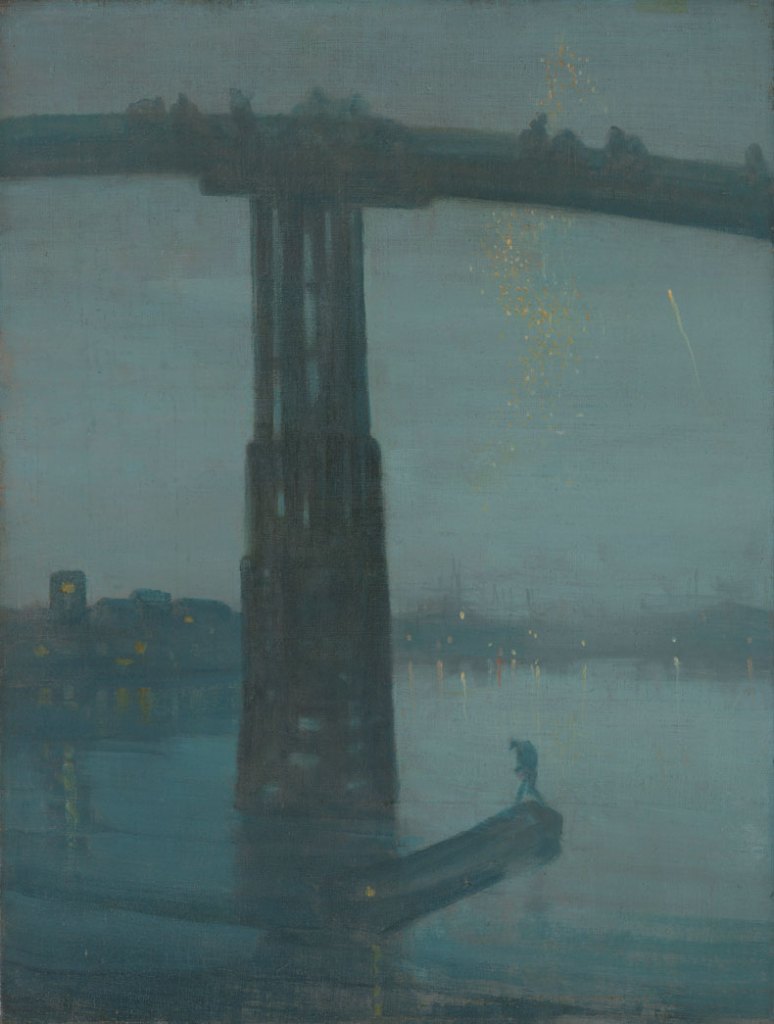
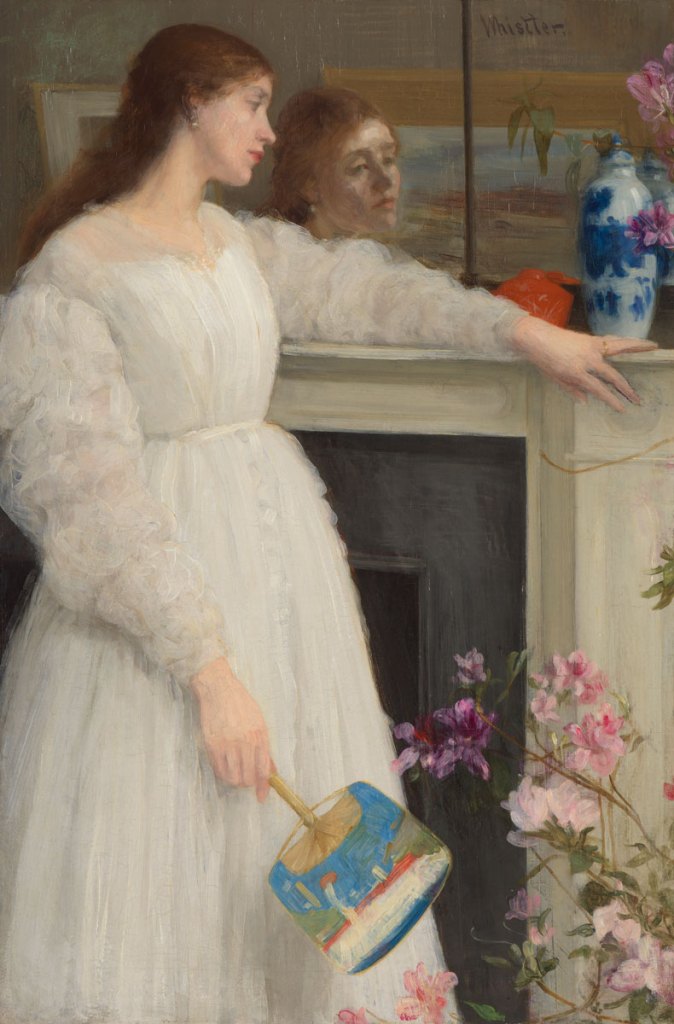
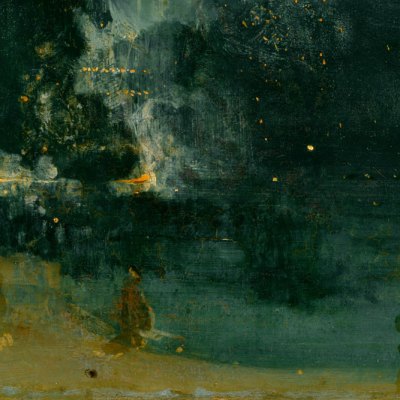
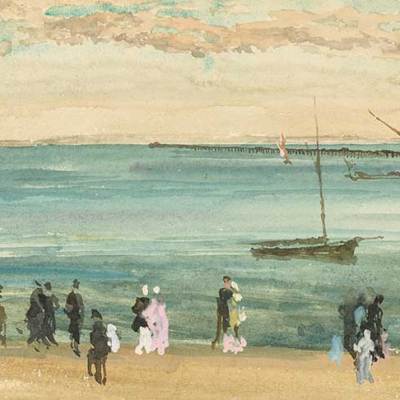
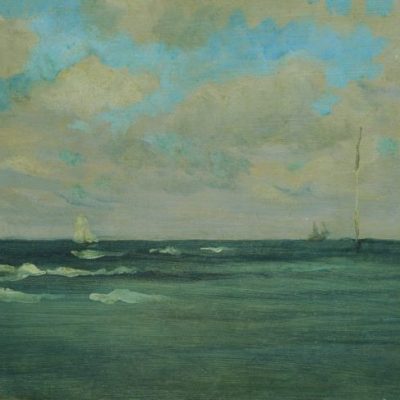
‘To say to the painter, that Nature is to be taken as she is, is to say to the player, that he may sit on the piano!’ So declared James McNeill Whistler in the ‘Ten O’Clock’ lecture of 1885, a manifesto of sorts for what he believed a painter’s job to be. Uninterested in faithfully recording nature or reality on canvas, Whistler gave exterior and interior scenes a dreamlike air that he often heightened with the canny use of metallic pigments. His mastery of luminosity and atmosphere owes a debt to the Impressionists, but Whistler was more interested in pushing paint to its limits: in his work the brushstrokes themselves are as much the subject of the painting as what is ostensibly being represented. This retrospective at Tate Britain brings together some 150 works, including landscapes, portraits, an impressive array of nocturnes and a self-portrait of the painter smoking that has not been seen since his death (21 May–27 September).
Find out more from the Tate’s website.
Preview below | View Apollo’s Art Diary