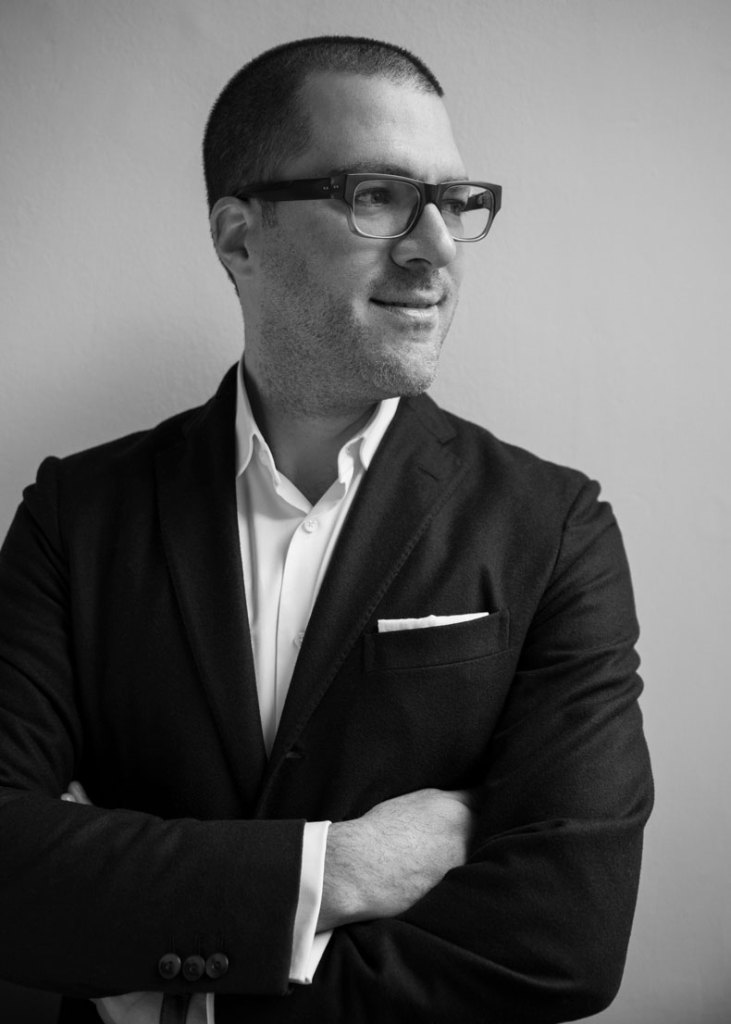
Andreas Pampoulides founded his gallery, Lullo Pampoulides, with Andrea Lullo ten years ago. The Old Masters gallery has established itself as a centre for rediscovered masters and museum-quality works by artists who have fallen out of mainstream favour. Pampoulides began his career at Christie’s in the European sculpture department before joining Coll & Cortés (which evolved into Colnaghi gallery) and finally setting up his own gallery in St James’s, London. They have published, among many books of original research, the catalogue raisonné of Jacob Ernst Thomann von Hagelstein (1588–1653). They regularly exhibit at fairs including TEFAF Maastricht, Frieze Masters, BIAF and a pop-up in New York that coincides with Master Drawings. The interview took place in May, at the end of the spring auctions in New York that posted record results.
How do you feel about the art market at the moment?
There are probably multiple markets, and multiple markets within individual categories, so the market for stellar works of art in Old Master painting and sculpture is very strong. TEFAF Maastricht in March was our best ever fair. We did really well with the very high-end things, including things that were also iconographically or commercially more challenging.
Are you able to give a range of prices?
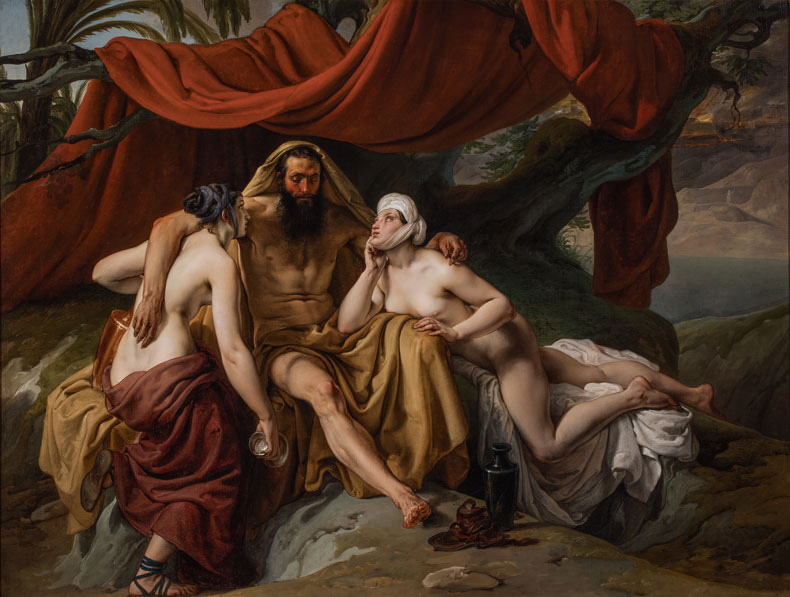
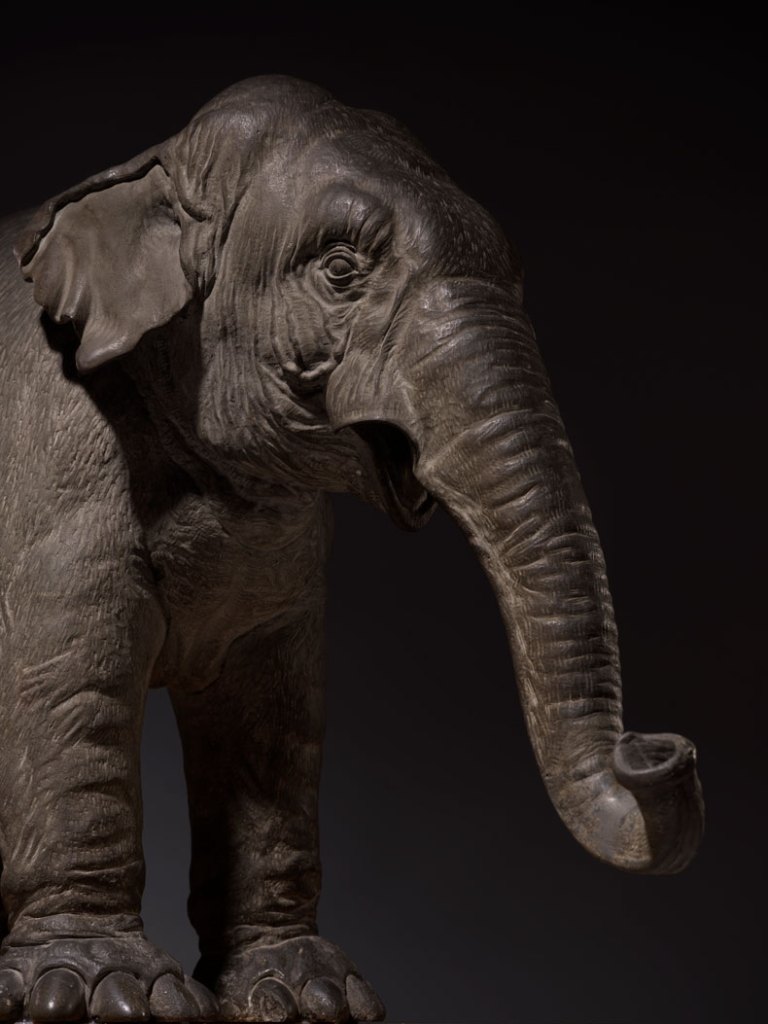
We sold a Mannerist bronze by [Giambologna’s assistant] Antonio Susini (1558–1624) with an asking price of €1.2m. We sold an 18th-century sculpture of an elephant in the range of $2–3m. We sold [a painting by] Francesco Hayez, with the challenging subject of Lot and his daughters, to the same buyer in the range of $1m. And then there is a huge amount of interest in the lower end of the market [with works that are] sub £50,000. You can see [it] in lots of regional auctions in the UK, on the Drouot in France, in Germany, in America – there’s lots of activity.
What is it like to be bringing new collectors into this field at the moment – or are you working with a very secure client base?
I’m not working with a secure client base at all. We started this business almost exactly ten years ago with no clients. I knew some people that I met through my Christie’s days, but they were established collectors who everybody knows. We built this business up from scratch, and we don’t have the depth, let’s say, of some of the very established galleries. But we’ve built a really strong reputation among museums. Probably 80 per cent of what we sell goes to museums.
How important are fairs in expanding your client base?
TEFAF is probably our main shop window, despite the fact that we are sitting in this office in the middle of St James’s. I hate to say it, but TEFAF is the closest we in the dealing community come to the auction house in terms of giving people the conditions to make a decision about buying something. TEFAF is really the place that the museums and collectors come ready to make decisions about buying stuff, and that for us is really important.
And where do the clients come from?
Many are American and without our American clients things would be very different for us. Of course, there is an important European collecting community. We occasionally see Asian collectors, but there could and should be more of them. We hardly have any British clients.
Is that because of Brexit?
Brexit was not fun. It definitely made things more complicated for us, not in terms of the clients but in terms of the logistics of running the business, the paperwork. I mean, we’ve found a good rhythm, we now work with good customs agents and shippers who understand what’s going on, but the goalposts move frequently. Possibly the worst thing after Brexit was the ending of non-dom status for people living in the UK. You could see the difference overnight: virtually everyone I knew who lived in this country from a different country of origin left. Americans, French, Italians, Germans, all these clients that you could rely on to pop around on a Tuesday afternoon for a glass of wine and to look at something, left.
How does Frieze work for you?
I love exhibiting at Frieze. It’s my favourite fair that we do. It’s a fair that is difficult for us economically. There are people that come to that fair who don’t come to TEFAF – major collectors who will come to London for two days in October and visit Frieze London, and then pop into Masters. Irrespective of how wealthy they are, they will normally buy something for between £5,000–£50,000. We have found in the five years that we’ve done Frieze that it’s an excellent place to sell things in the ‘lower end’ of the market, the sub-£50,000 range. The economics of it are complicated, because the margins you make on selling something for £50,000 mean that you have to sell a lot of them in order to pay the expenses of the fair. However, the fair is excellent, and the quality of people that I’ve met there, the overall experience working with the organisation, is fantastic. It’s five days, it’s nice and compact, and there’s all this activity. And then you meet Jared Leto on your booth.
Is there an area of the market that you think is under-exploited?
There have been important corrections: recognising the value of female artists is obviously very important and necessary, as is representing diverse subjects and perhaps even artists from diverse backgrounds. I personally have felt a slight slowing down in these categories, either because people are saturated or because maybe there’s less quality available in these categories. But there are new areas. We’ve all seen Scandinavian art become a very hot subject, and many of my friends and colleagues are doing very well selling that. I’ve got a particular interest in late 19th-century Italian art. This is massively undervalued. The Francesco Hayez painting that we just sold was at an important price point, but it was a masterpiece by the artist. It needed to go to a museum, and Hayez, until we sold this painting, was only represented in one other museum in America. And he was the greatest painter in Italy at the end of the 19th century. As far as most museum visitors know, the only nation that produced art in the 19th century was France. Rodin was the only sculptor, Monet, Manet, Degas the only painters – no one else did anything, and that’s what we’ve seen to be an opportunity. We happened to find a masterpiece from that period and we’ve managed to sell it to one of the most important museums in America.
What legislative changes would most help the gallery sector?
The thing I would most like to see change is more enthusiasm and care about the arts. I think having people learning about art at school and university is obviously very important. We’re very privileged in the UK to have free museums. I hope it stays that way. The fact that anyone can go into the National Gallery for even five minutes and look at one picture and then walk out is amazing. I regret that we’re in a moment right now where there are fewer collectors, and the ones that exist are great, they are wealthy, they have an interest, but they’re more anonymous. As a gallerist I have fewer opportunities to engage with them directly. I tend to speak to advisors and curators, and that’s fine, but as we all know, in the art world, you’re not only buying an object, you’re buying a relationship with a dealer who then understands you and tries to make more meaningful proposals in the future. So this one-on-one [relationship] is very important for me, and I hope that does change. Perhaps it will change organically as I get better at what I do the longer I’m building relationships with people.