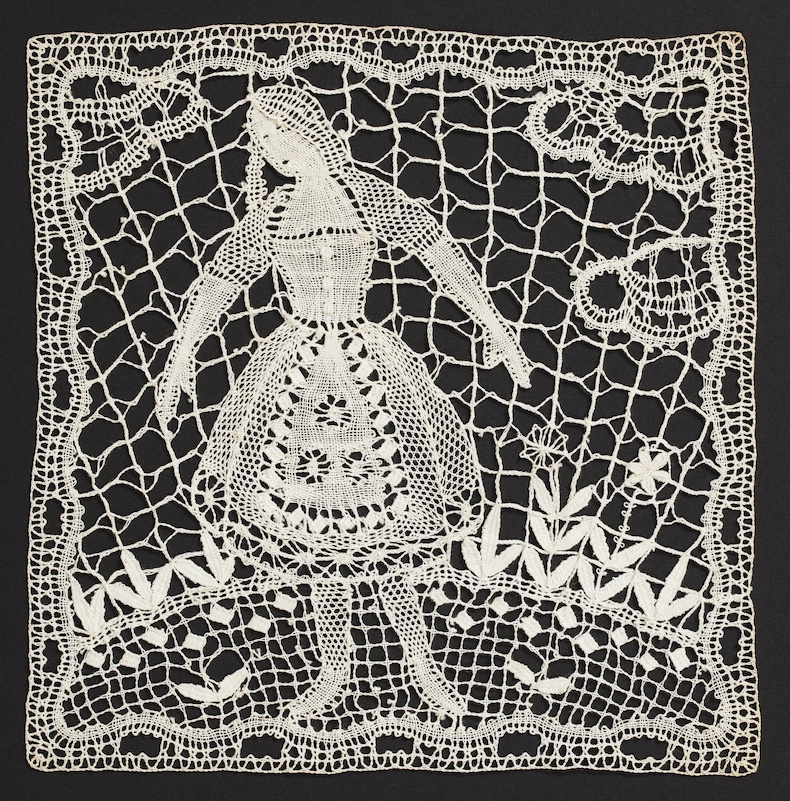
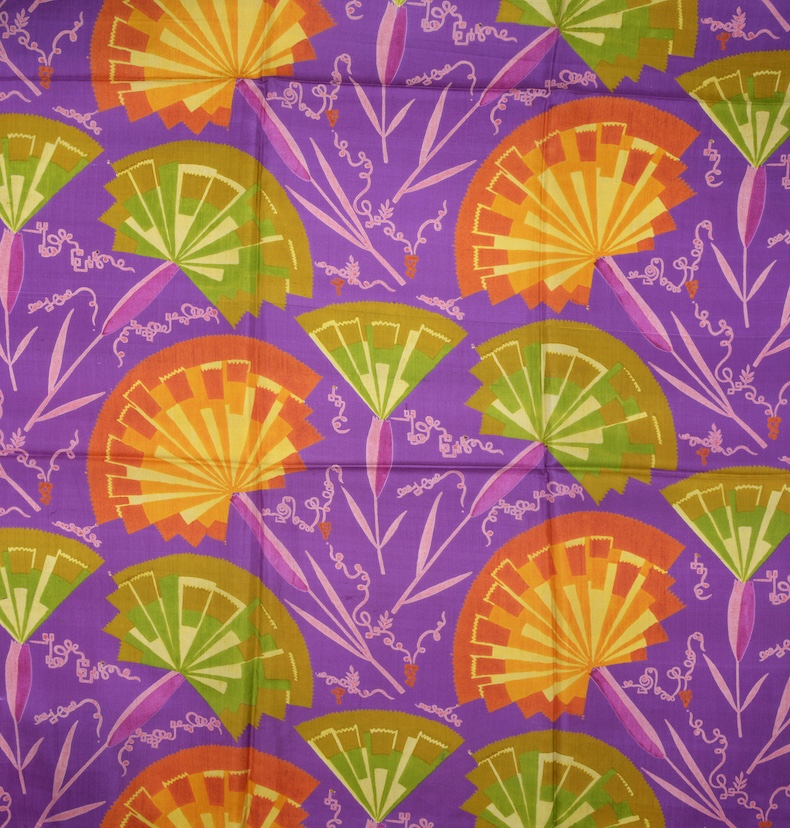
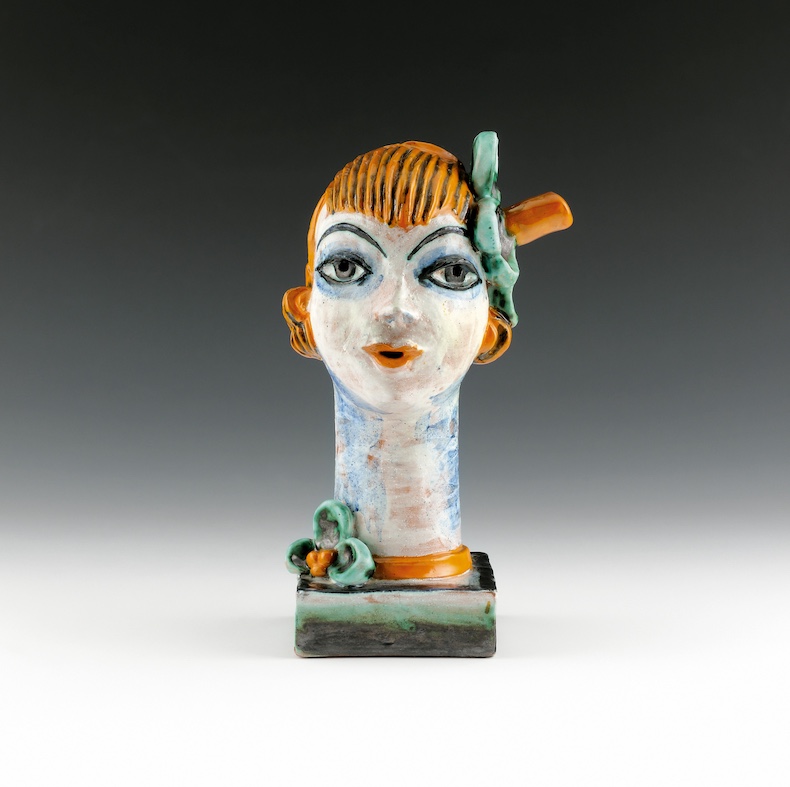
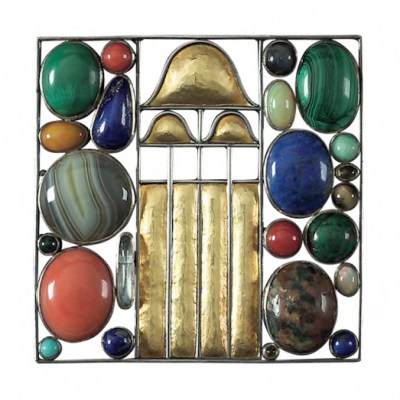
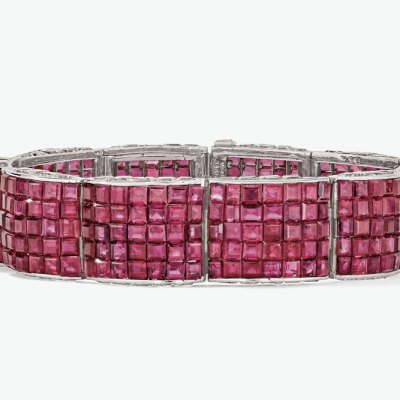
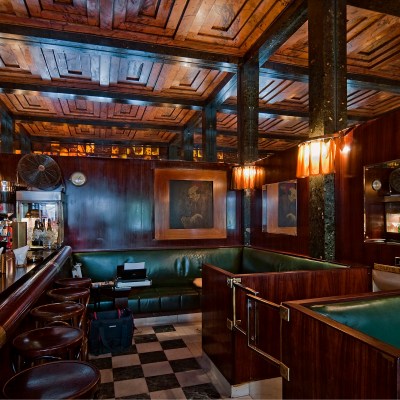
The Wiener Werkstätte, the renowned workshop in Vienna that designed and produced thousands of modernist decorative objects between 1903 and 1932, was set up by three men: the artist Koloman Moser, the architect Josef Hoffmann and the industrialist and collector Fritz Waerndorfer. But it would never have become such a powerhouse if not for the 200 women who brought ingenuity and all manner of bold ideas to the workshop’s designs. Recent scholarship has revealed that approximately one in four of these women were Jewish or of Jewish descent, and the Jewish Museum in New York is bringing together some 200 objects made by the Werkstätte to explore how Jewish women artists and patrons shaped its modernist aesthetic (17 July–15 November). Although some 30 artists are represented, the curators focus in particular on Vally Wieselthier, whose anthropomorphic ceramics are full of colour and humour, and Felice Rix-Ueno, whose biomorphic patterns helped shape the textile scene in Kyoto after she moved there in 1935.
Find out more from the Jewish Museum’s website.
Preview below | View Apollo’s Art Diary