Next week, staff at the Victoria & Albert Museum in South Kensington will stage two days of strike action – as a breakdown in industrial relations spreads west. Strikes earlier this month already hit Young V&A (formerly the Museum of Childhood) and, in Stratford, V&A East and V&A Storehouse. Though they have made progress over working conditions at the new sites, unions say that they have hit a brick wall over pay. Management says that it has offered an ‘average’ uplift of 4.18 per cent – but unions argue that this is skewed by the 6.9 per cent rise that the museum must give its lowest-paid staff to continue paying the London Living Wage.
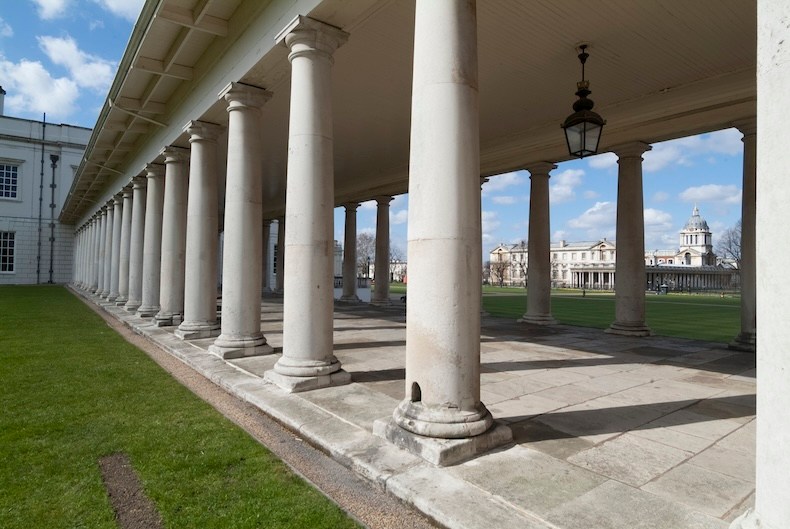
The V&A is one of four national museum groups in which industrial relations have reached breaking point this summer. At the National Galleries of Scotland (NGS), staff have ditched their distinctive green cardigans as part of action short of a strike, after several disruptive walkouts. The Public and Commercial Services (PCS) union says that changes to staff rotas have left gallery attendants looking after large areas on their own. Workers at Royal Museums Greenwich downed tools for two days in August, disrupting the Royal Observatory’s viewing event for the partial solar eclipse. And at the National Gallery in London, unions have raised the alarm over segregated facilities for outsourced security workers, who are not allowed to access the ‘hub’ used by in-house curators and visitor-services staff. With next year’s pay negotiations on the horizon, there are rumours that staff at other institutions could go on strike too.
So is a new culture of industrial militancy taking root in Britain’s museums? Nick Marro, culture group secretary at PCS, which represents mainly front-of-house workers, believes that workers across the sector are at breaking point. ‘Directors take the view that any sacrifice that needs to be made, any sort of wage restraint, needs to come from workers, not them,’ he says.
Marro, who worked front of house at the V&A for five years before becoming a union official, traces discontent back to the wage freezes forced on the public sector by the Conservative–Lib Dem coalition government in 2010. ‘Workers in these public museums have been subject to constant pay restraint, and I think they’re just getting to the point where that’s no longer acceptable to them,’ he says.
Though some museums have offered workers modest increases in recent years, museum salaries have become harder to live on as the cost of living soars – especially in London. And while the independently reviewed London Living Wage has risen substantially, bringing up wages at the very bottom of the pay scale, many of those on even slightly higher salaries have faced continued stagnation.
‘It’s going to become unsustainable, and they’re going to lose a lot of talent out of the sector unless something serious happens about about salaries,’ says Paula Lamont, national secretary for heritage at Prospect, the union for curators and back-office staff in national museums. Prospect had threatened strike action at V&A East Storehouse, having said that staff were unable to access drinking water or use toilets. This dispute was settled after management offered paid breaks, but strikes went ahead across all the east London sites in a separate, broader dispute over pay and food provision. Front-of-house Storehouse workers represented by PCS are still in dispute over access to water. Strikes have been followed by a work-to-rule, a form of industrial action in which workers do the bare minimum needed to fulfil their contracts and nothing more.
How did it all get so febrile? Both Prospect and PCS appear perplexed that their disputes reached the point of strike action and that the issues they raised could not be dealt with through talks. They have criticised director Tristram Hunt for declining to join negotiations. ‘I’m not saying it’s rosy in other museums, but I have meetings with directors, and directors will turn up to pay talks, and that’s not seen as as odd or exceptional,’ Lamont says. She believes that management intransigence has escalated the dispute ‘without intention’.
The V&A says that it has been ‘negotiating in good faith with the trade union side since February and have met the majority of their demands with a significantly improved offer, which we believe is fair, competitive and affordable’. This pay offer was rejected by both unions back in July, before the strikes. ‘No one above [the London Living Wage] will receive 4.18 per cent,’ says Lamont. ‘If they believe their pay offer is a good one, they wouldn’t have to put out misleading figures.’ A V&A press officer said that all staff have breaks and access to drinking water, and that heatwave mitigations are in place. ‘We value our staff enormously and remain fully committed to providing safe, supportive working environments in all our museums,’ the official added. ‘We remain available for negotiations with our trade union colleagues.
At the National Gallery, relations have soured over staff facilities. In-house workers, from curators to administrators and gallery attendants, have access to a ‘staff hub’ that includes a subsidised canteen. But security guards, who have been outsourced to a private contractor since 2015 – which caused extensive strikes at the time – must instead use a windowless basement room with a vending machine. The museum says that improvements to the room had already been planned before it was exposed in the Guardian earlier this summer, and that ‘several of these improvements have now been completed’.
PCS says it has also struggled to get CIS, the contractor, to negotiate, in spite of being the recognised union. While both CIS and the National Gallery pay the London living wage as a minimum, the contractor implements increases six months after the new rate is announced each year – meaning security staff lose out compared to their directly employed colleagues. When approached by Apollo, CIS ‘politely declined’ to comment.
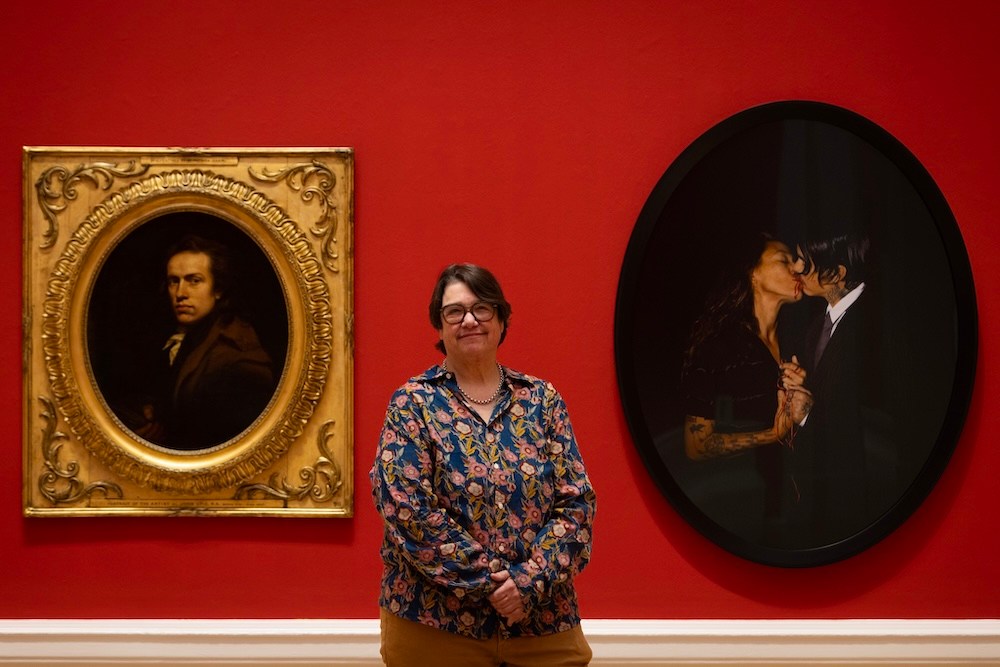
At the National Galleries of Scotland, management says that no one has lost their job and that staff, visitors and collections remain its ‘top priorities’. But even exhibiting artists have been drawn into the fray. After curators announced that the American photographer Catherine Opie’s show ‘To Be Seen’ would be shown at the Royal Scottish Academy – which is part of the group – over the summer, PCS reps wrote to Opie asking for her support. But she declined, stating that picketing a exhibition documenting LGBT issues ‘seems careless’ and ‘feels like censorship’.
Opie’s response, which she sent to management rather than the union, aggravated feelings among workers. ‘It suggested that striking would conflict with our support of the community represented in much of her work,’ says one. ‘Our staff is made up of the very community she suggested would be negatively impacted by our striking. ’
In statements issued by press offices, museums deny union claims that they have been unreasonable in negotiations. But when asked why things have got so bad, they are reluctant to say anything at all. The National Museums Directors Council (NMDC) says it does not get involved in its members’ industrial relations, but points to toughening financial circumstances as context for the disputes. ‘Across the UK, the museum sector has had a difficult time over the last 15 years with significant cuts to their main funding sources over the years,’ says NMDC chair Laura Pye. ‘The increased inflation in the last five years has made this even harder.’
Many workers also feel aggrieved by the hierarchical structure of many national museums and the lack of opportunities for career advancement. ‘It’s hard to progress,’ says Marro, ‘but even if you can break through that, you end up being in a situation where you’re still having trouble affording your rent and paying your bills. And even if that weren’t the case, we shouldn’t accept that the only people who can comfortably afford to live while working in these museums are the lucky ones who get through to that level of career progression.’
Staff at other museums, Marro adds, are taking note of the concessions that this summer’s strikes have already achieved. ‘Our members are going to expect better offers in order to get them over the line,’ he adds. ‘They’re beginning to inspire each other. They’re seeing one museum go out, and I think it’s feeding into a feeling of “Hey, we can do that too” – at every other museum.’