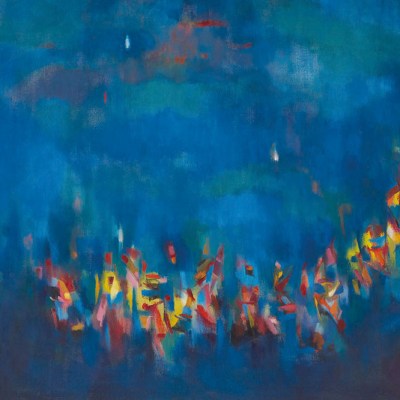
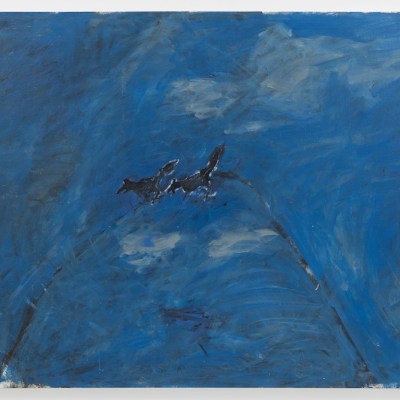
Berry Campbell was founded in 2013 by Christine Berry and Martha Campbell in New York City. Located in the heart of Chelsea, the gallery plays a major role in bringing to the market overlooked artists – most often women – from the mid to late 20th century. It sells to museums and private collectors around the world, including in Europe, China and Hong Kong.
It’s been an interesting time for the art market. After a couple of challenging years, things are beginning to pick up. The Old Masters have shown unusual growth but it’s not easy right now. How do you feel about the market at the moment?
Christine Berry: We see the instability that everyone else is talking about, but we’re fortunate to have a niche, and in a certain way we’re very protected against the market. We’re working with artists that are less known, we are building their markets and their legacies, so there is plenty of opportunity to grow. While we’re selling Joan Mitchells at $2 million, we’re also selling works by Lucia Wilcox at $45,000. And as with the Old Masters you mention, collectors are going back and saying, ‘Wait, we kind of forgot about this area.’ They’re saying that they are interested in these artists who were participating at the time, and want to add them to their collection.
To what extent does capitalising on that opportunity depend on you bringing in new collectors?
CB: We’ve been really fortunate to have a wide collector base from the beginning. We built this business from the ground up. Every single person that walked in the door, we said ‘hello’ to. So we take every person we meet seriously. Obviously, now we’re doing international fairs – Frieze Masters, Art Basel Hong Kong – we’ve expanded our business. And we do this by collaborating with other galleries. We’re based in New York, but we collaborate with galleries in London, Paris, Berlin. This is the way of the future. In all business now, we have to find new ways of finding clients.
How important are fairs to growing your audience?
Martha Campbell: Fairs are always important in terms of branding yourself and bringing the art to your clients. So much of this business is face to face, despite the fact that we have the internet and videos and all of that. That said, we do a lot of business out of this gallery. We’re in Chelsea – it’s like an art fair every day here. So fairs are important, but nothing compares to how important it is for us to have this physical footprint in New York.
Have you developed any other strategies for getting your work in front of clients?
MC: One of the few good things that Covid did was force us to pivot, think on our feet and develop new strategies. And I think the key component of that was upping our digital game, whether that was investing in software that allows us to place paintings digitally in somebody’s home or sending great videos.
CB: We only took still photography before the pandemic. It’s hard to believe now. We realised that the most important thing about our gallery were the artists, and Martha and me talking about our artists. And how could we do that if there was nobody in the gallery? We just started doing that on video and put the videos out there in the world, and I think we’ve sold every single painting that we did.
Have you ever sold a work that has only been seen digitally by the collector?
MC: All the time.
I know that you define what you do as working with underrepresented or overlooked women artists. Within that wider group is there any specific category that has performed well or taken you by surprise?
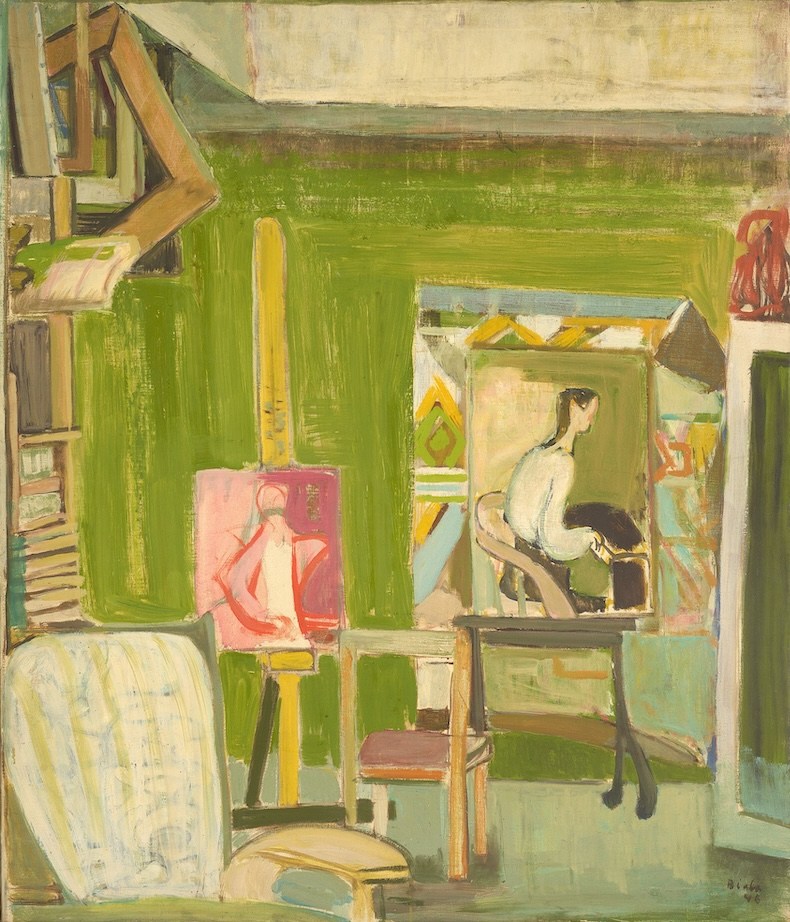
MC: 20 years ago, if an artist did not fall within a particular category – say they were working in the 1950s but weren’t necessarily Abstract Expressionists – nobody cared about them. What’s so different now is that you’re able to look outside the bounds of a movement and find those artists who were a part of the mix, like Janice Biala, for instance, whose work we brought to Frieze Masters last year. She was born in Poland and moved to the United States [in 1913]. In the 1930s she moved to France, then came back to the United States in the 1940s because she was Jewish, before going back to Paris in the late ’40s. Her work is this mix of Abstract Expressionism and the School of Paris. And we have been selling her work like crazy. She has been in a slew of museum shows, and her works are owned by collections from the Pompidou in Paris to the Art Institute in Chicago and the Whitney. People are interested in these artists who don’t fit within the bounds [of art history].
Another artist that we just signed on is Edith Schloss. She was European; she spent some time writing for ARTnews in the 1950s, and then in the early ’60s went back to Europe. She has this European sensibility and showed at the Stable Gallery. She was really important, but she did not fit into a particular category, and we’re really excited about her work. So that’s what has changed. These women artists who had great CVs but didn’t fit. People now care about those artists.
CB: I think we’ve expanded our programme too in that where we were maybe a little bit more specific about [works from] Abstract Expressionism fitting that particular niche, now we have opened up to several artists from the 1980s. We’re working with Louisa Chase, who was a Neo-Expressionist, and with Susan Rothenberg. We were kind of hyper-focused on one thing, and now we’re widening our purview.
Is there anything you’re passionate about that you can’t believe isn’t being taken up more readily by collectors?
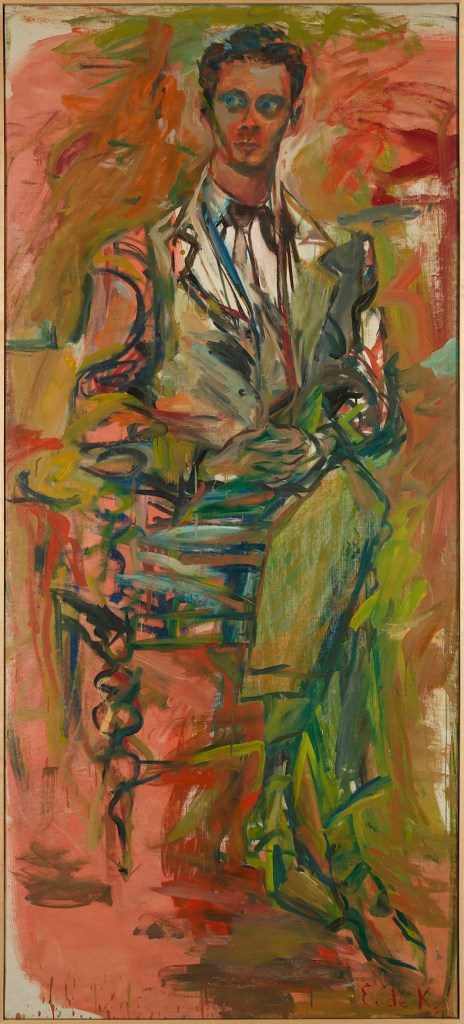
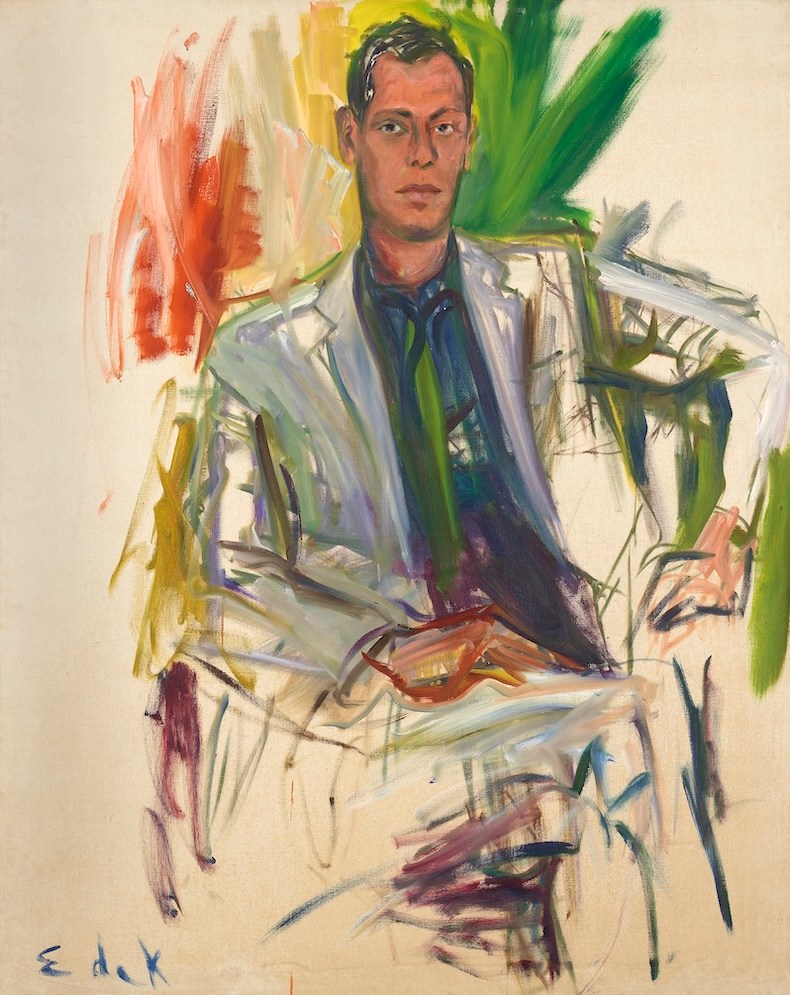
CB: Our next show is Elaine de Kooning. While we know Elaine de Kooning’s name, it is still shocking to me that her work has not been seen in ten years. Our show will be the first since the National Portrait Gallery exhibition [in 2015–16]. Often with women artists, it feels like only one can pop out at a time. Like Helen Frankenthaler was this year, Joan Mitchell was last year, right? Why is it that it feels like we can do only one at a time with the women?
We’re going to show [de Kooning’s] work from the 1940s to the Black Mountain paintings to the abstractions to the portraits to the Cave Walls paintings – we’re going to show it all. You’re going to be able to see the whole range of work and decide that she was a great artist from beginning to end.
If you could change one thing about how the art market worked today, what would it be?
MC: I think more collaborations. We’re a boutique gallery and we have found that teaming up with another gallery instead of opening a shop in London or Paris or LA [is the way to do it]. Why are we spending all our resources doing this [opening new sites] and it not working out when you know there’s already a great gallery somewhere else that’s got an established client base? Our goal is to promote these artists, not necessarily to promote ourselves.
CB: I also think transparency in our business. We do everything by the book at this gallery. We have nothing to hide, and I think that other galleries should be open to talking more about pricing. We explain to our collectors about our pricing structure, where we get prices, how we determine when we’re moving the market up. It shouldn’t be a secret. I think people would feel more comfortable if everything were out in the open a little bit.
Given all this, what do you think it takes to be successful in this market?
CB: I really think for us it’s that we had a clear vision of what we wanted to do when we started, and we’ve stuck with it and never veered. And it’s easy to veer. We found an area that we are passionate about. We’ve found artists that we can research and grow. And I think when galleries sort of jump from one artist to another it’s confusing for their collectors. If you stay on course, it might be a slower course, but slow and steady wins the race.
Also, being authentic. Martha and I are easy to work with. We like working with people. We like educating and explaining. And this kind of authenticity people understand and will want to work with you.
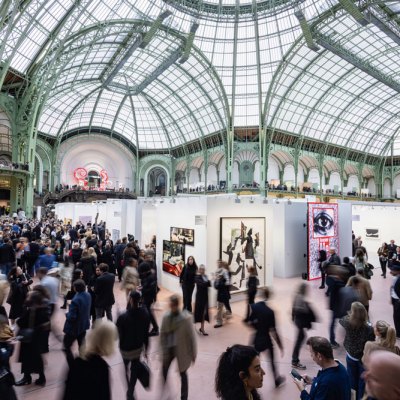
Berry Campbell is exhibiting at Art Basel Paris, which takes place at the Grand Palais from 23–25 Oct. Click here to read our selection of highlights from the fair.