At the centre of Banco Santander’s former headquarters on the Paseo de Pereda is a monumental arch. Built in 1951 by Javier González de Riancho to join two neighbouring buildings, it belonged to a moment when Santander was evolving from a regional bank to a national institution with international reach. In 1947 it opened offices in Havana, followed by outposts in Argentina, Mexico and Venezuela.
Nearly 80 years later, David Chipperfield Architects has made the arch perform almost the opposite function in its transformation of the building into the museum Faro Santander. Where once it consolidated the bank behind a monumental facade, now it draws visitors through it, towards galleries that house the Banco Santander Collection. ‘The arch gave an apparent unity to what was in fact a rather complex arrangement of spaces,’ says Chipperfield. ‘In reality it was a building with a hole in its centre.’
The arch has become the building’s spine, with entrances beneath it and stairs climbing through its great central void, making movement through the former headquarters visible to the city. ‘Once experienced largely from the outside, it has been reimagined as a place of culture, encounter and public access,’ Chipperfield says. And, in turn, visible from the grand stairway that connects all the floors, Santander itself becomes a parallel exhibition, of boulevardiers and fashion-shop windows and sun-faded 1980s awnings.
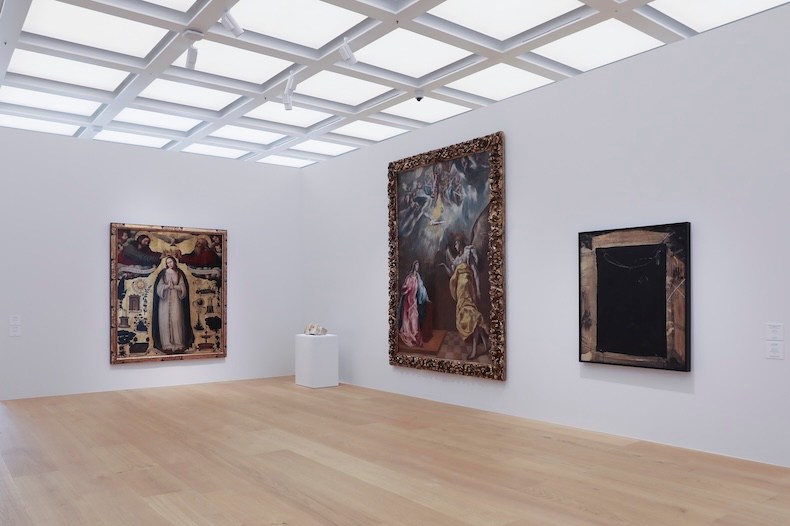
Faro Santander occupies more than 10,000 sqm over ten levels, with nearly a third of this comprising exhibition space able to house some 1,000 artworks. The surfaces are restrained: exposed concrete, steel, oak and Boñar from León, the ochre limestone that also gives the historic exterior its colour. Timber flooring and marble from the old interiors were salvaged for reuse in the new spaces. Beyond the galleries, the foundation has carved out several spaces for other functions: Llamita is designed for families and schools, Cubo is a two-storey gallery for immersive digital art and Marisma is dedicated to Cantabrian artists and collaborative projects with cultural institutions in the region. Chipperfield describes his intervention as opening up the building ‘both physically and symbolically’; the new galleries and rooftop terrace, he argues, allow it to ‘play an active role in the civic and cultural life of Santander’.
Santander bank reported €14.1bn in profit in 2025 and has a customer base of 180 million. The decision to establish the museum in this northern Spanish city rather than Madrid is deliberate. Ana Botín, executive chair of Santander, tells me that ‘the bank should centre the cultural action here, in the place where everything started.’
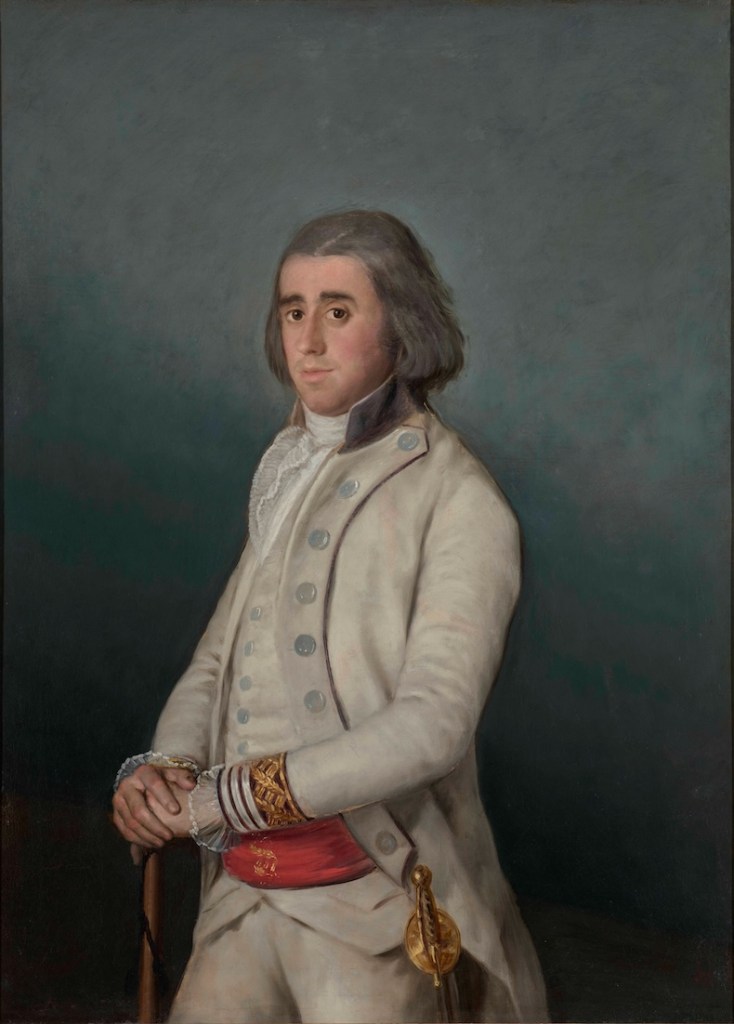
The Banco Santander Collection grew through two kinds of acquisition. Santander bank absorbed other banks of varying size in the second half of the 20th century, among them institutions such as Banco Urquijo and Banco Hispano Americano, acquiring their artworks in the process. The provenance of works in the collection still records that corporate genealogy, passing from Urquijo to Hispano Americano, then Banco Central Hispano and eventually Santander. The result is part art collection, part archaeology of Spanish and Latin American banking.
The collection is not well known, despite including work by Rubens, Goya and others – which means it’s still full of surprises. El Greco’s Annunciation (1614), one of his final paintings, was intended for the Hospital de Tavera in Toledo and left unfinished at his death. The canvas was divided in the late 19th century: Santander owns the lower section, with the Virgin and angel, while the upper half is in the National Gallery in Athens. The surviving Santander fragment suffered a second indignity in the 20th century, when the angel’s legs were cut and repositioned to make him stand rather than hover, disrupting El Greco’s original composition. Recent conservation has since returned them to the position current research suggests they occupied.
The bank’s most recent acquisition is María Blanchard’s Girl Seated in a Room with Benches (1923–24). Blanchard was born in Santander but her work had previously been absent from the collection. Daniel Vega Pérez de Arlucea, director of Faro Santander, says that the purchase is the first in line with the museum’s new strategy and adds that even with an acquisition budget and free rein, the Blanchard is ‘a statement of what we want to do’.
Also on display are drawings and notebooks Leonora Carrington made during the four months she spent at the Peña Castillo sanatorium in Santander in 1940. Medical staff encouraged her to sketch ‘to organise her thoughts’; she filled notebooks and painted Villa Pilar, which she gave to her doctor, Luis Morales, and which was rediscovered only recently. The Morales family has lent it for its first public exhibition alongside Down Below, its sister painting – the first time the two works have hung together.
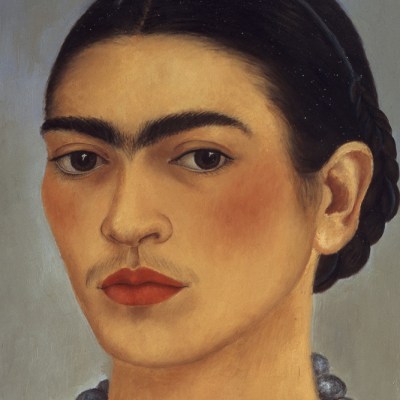
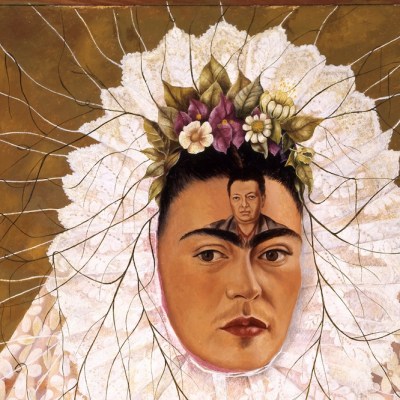
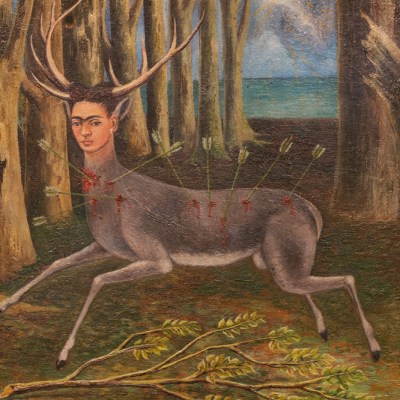
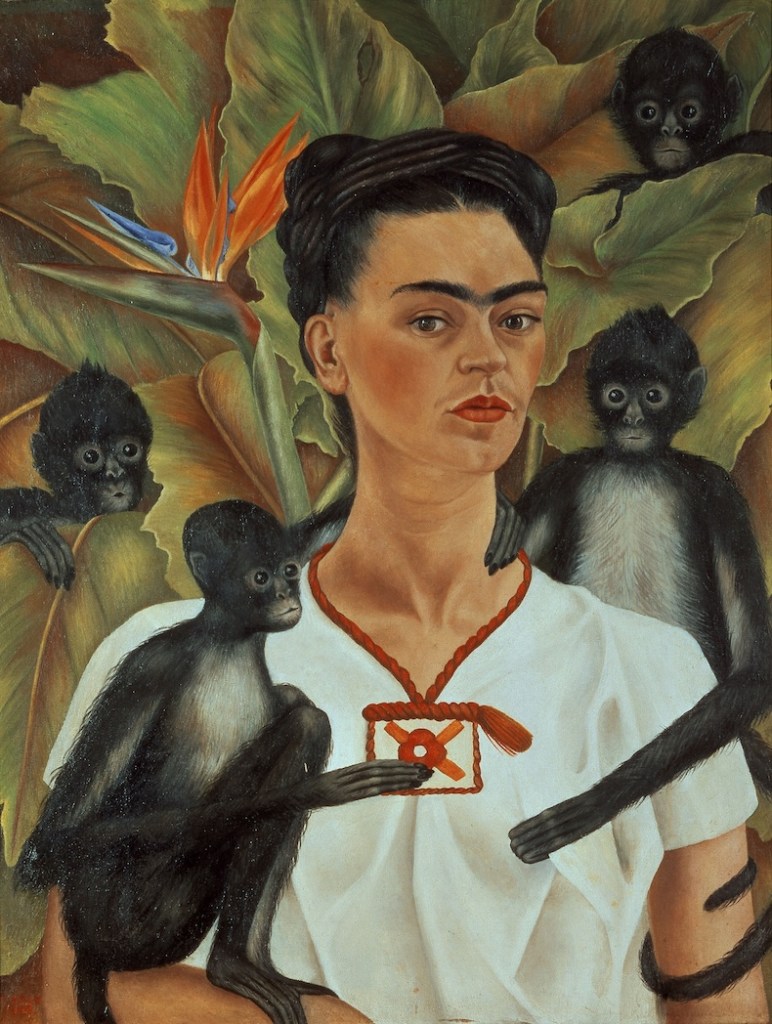
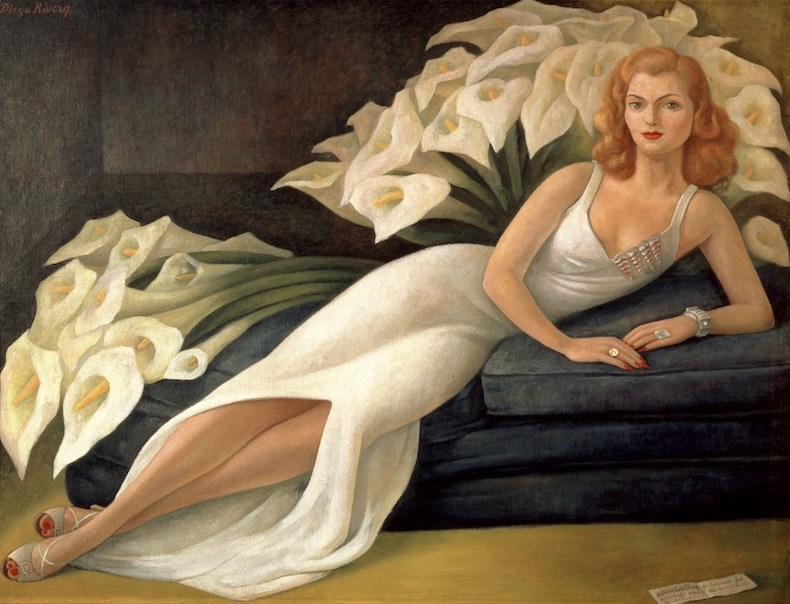
One floor below, ‘Modern Mexico in the Gelman Santander Collection’ brings Frida Kahlo and Diego Rivera to Cantabria, including Kahlo’s Diego on My Mind and Self-Portrait with Monkeys (both 1943) as well as Rivera’s Portrait of Natasha Gelman and Woman Selling Calla Lilies (both 1943). (Santander has a long-term agreement with the Zambrano family to manage the collection, now renamed the Gelman Santander Collection, though this has not been without controversy.)
For Vega, Faro’s strength lies ‘precisely in this mix’: Old Masters, Mexican modernism, contemporary art, technology and local programming. But it also represents a new approach to corporate social responsibility. Older funding models involved sponsoring somebody else’s museum, exhibition or concert hall. Here the corporation produces the cultural institution itself: building, collection, exhibitions, programming, restaurants and public space. The result is both a civic win and an exercise in sophisticated brand-making.
‘Modern Mexico in the Gelman Santander Collection’ is at Faro Santander until 10 January 2027.