Rijksmuseum, Amsterdam/Mauritshuis, The Hague
Colf Players on the Ice (c. 1625), Hendrick Avercamp
From the 14th to the 18th centuries a game known as colf, a kind of early hybrid of modern golf and hockey, was played on the streets, fields and frozen lakes of the Low Countries. The 17th-century Dutch painter Hendrick Avercamp seemed to have a taste for it, showing it in several works. Colf Players on the Ice (c. 1625) is the earliest known depiction of the game and is considered one of Avercamp’s masterpieces: the figures are rendered with meticulous precision while the subtle gradient of colours that make up the sky give the whole composition a tangibly wintry atmosphere. The painting had been on long-term loan to the Museum of Fine Arts, Houston, from the collection of Edward and Sally Speelman, but has now returned to the Netherlands permanently. It is currently on display in Kampen, the town of Avercamp’s birth, and thereafter will alternate between the Rijksmuseum and the Mauritshuis.

J. Paul Getty Museum, Los Angeles
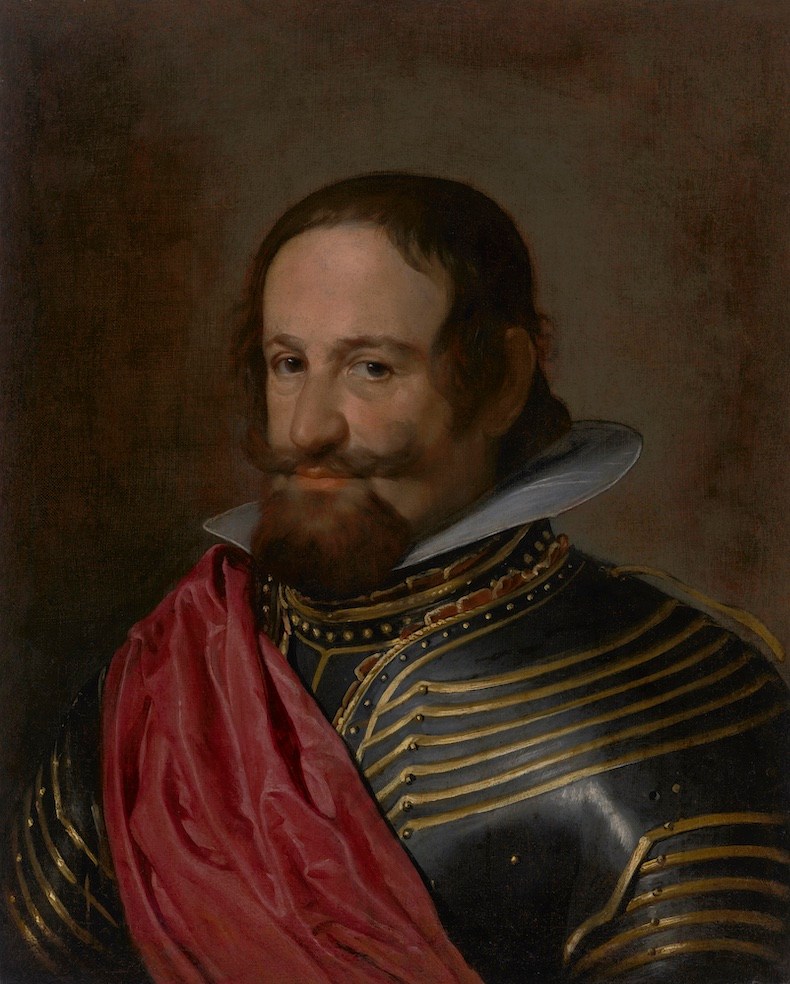
Portrait of the Count-Duke of Olivares (c. 1626), Diego Velázquez
In the summer of 1626 Cardinal Francesco Barberini, nephew to Pope Urban VIII, visited Philip IV in Madrid as part of a diplomatic mission. Diego Velázquez, who was working as court painter to the king, was commissioned to paint a gift for the cardinal to take back to Rome with him, and the subject was chosen as Gaspar de Guzmán y Pimentel, the Count-Duke of Olivares, who was born in Rome but grew to be a favourite of the Spanish king. Until now the portrait was presumed lost – and known only through an engraving by Paulus Pontius designed by Rubens – but in 2025 Salvador Salort-Pons, director of the Detroit Institute of Arts, was alerted to an unidentified portrait of Olivares in a private collection in Madrid, which he subsequently confirmed as a Velázquez. The acquisition by the Getty is a coup: there are around 120 known paintings by the Spanish artist, half of which are in the Prado and very few of which are owned by institutions in the United States.
National Galleries of Scotland, Edinburgh
58 works of modern art
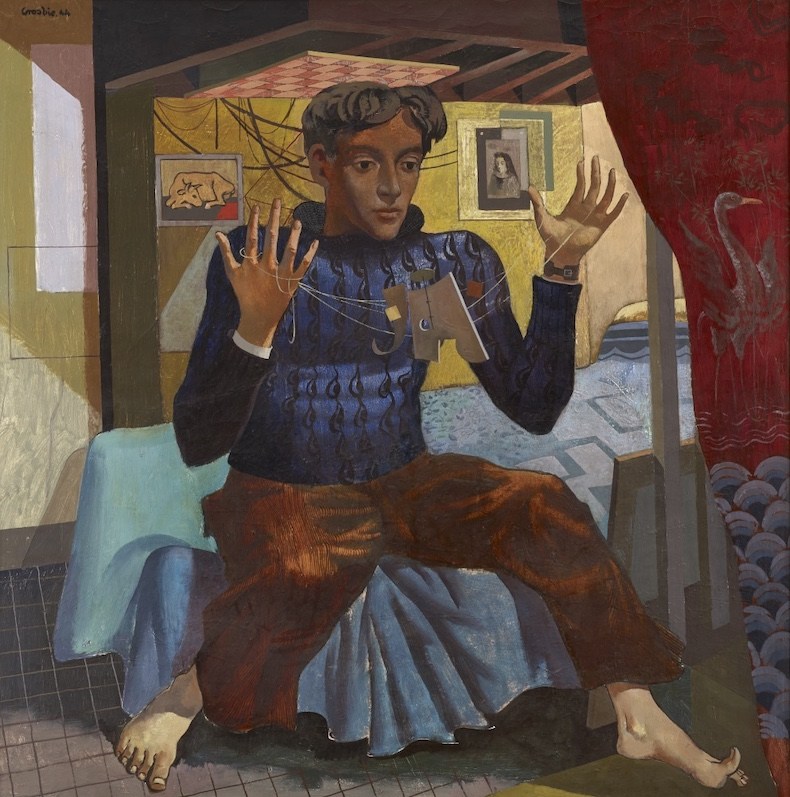
The National Galleries of Scotland has acquired, through the Acceptance in Lieu scheme, 58 paintings and drawings from the collector Charlie Nairn, who divides his time between Perthshire, where he was born, and the south of France. The works are all from the 20th century and Scottish artists are well represented: there are several paintings by James Cowie, a skilled portraitist of the first half of the 20th century, as well as modernist works by William Crosbie and a quasi-Fauvist painting, Group from a Dream (1928–30) by William McCance. The collection also includes several works by English painters such as John Tunnard and Cecil Collins, both of whom took their cue from Surrealism.
Museum of Contemporary Art of Crete, Rethymno/MOMus – Museum of Contemporary Art, Thessaloniki/National Gallery of Greece, Athens/National Galleries of Scotland
51 works of contemporary art
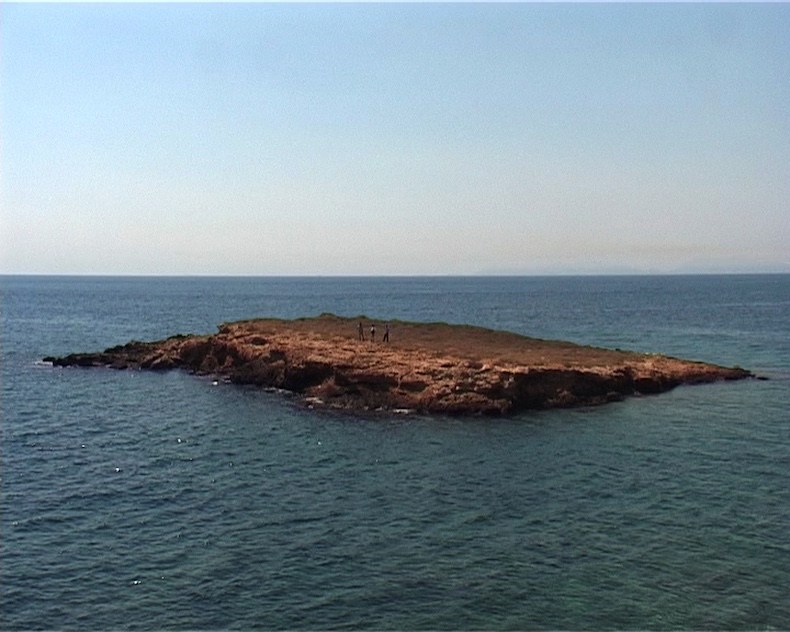
The Greek entrepreneur Dimitris Daskalopoulos has, over the past 30 years, built up an enviable collection of contemporary art, as well as founding the arts non-profit Neon in 2013 and serving on the board of several major international museums. He has given away much of his collection – most notably in a gift of more than 350 works to the National Museum of Contemporary Art (EMST) in Athens, the Tate, the Guggenheim in New York and the MCA Chicago in 2022 – and has now donated a further 51 to four museums. The largest portion – 29 works by Greek artists including Yiannis Spyropoulos and Alekos Fassianos – is going to the National Gallery of Greece, while the rest, made up of pieces by Greek and international artists such as Bruce Nauman and Kelley Walker, is being divided between the Museum of Contemporary Art of Crete, MOMus in Thessaloniki and the National Galleries of Scotland.
Museu Nacional d’Art de Catalunya, Barcelona
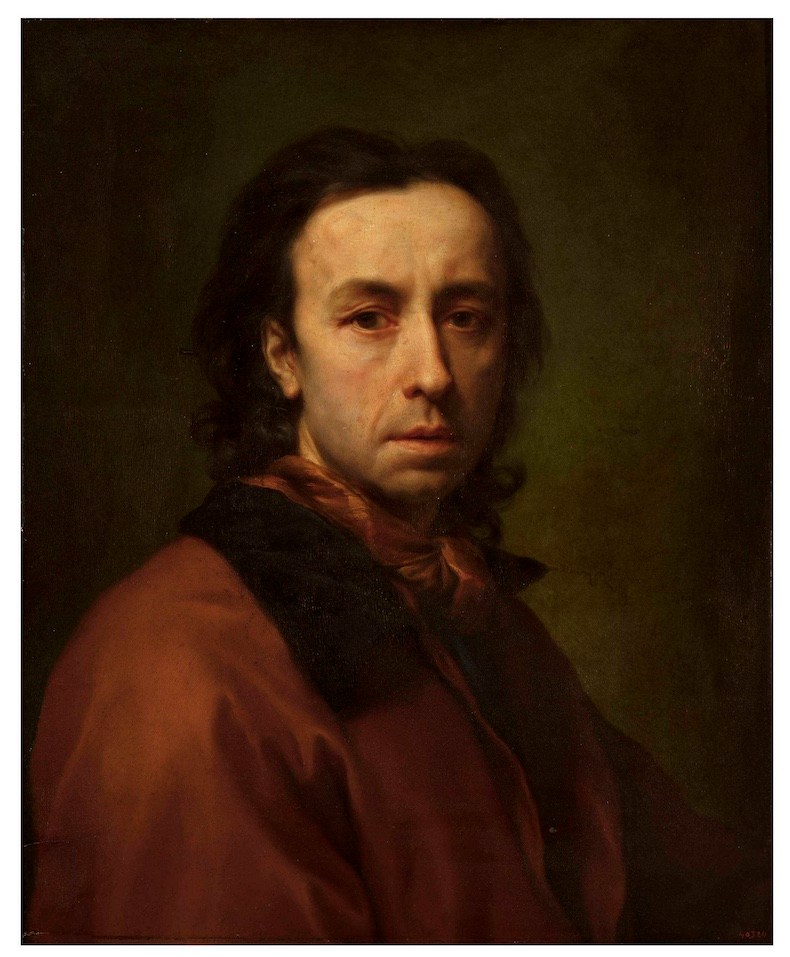
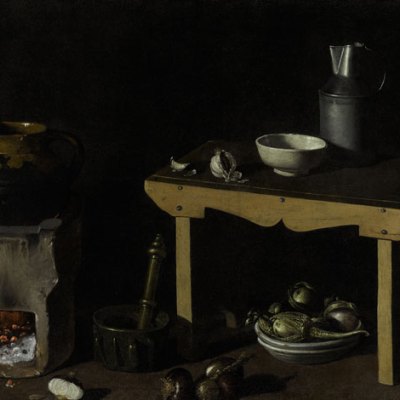
Still Life with Chocolate Grinder (c. 1640), Juan de Zurbarán; Self-Portrait (c. 1775), Anton Raphael Mengs
Juan de Zurbarán, son of the more famous Francisco, died in the Seville plague at the age of 29 but is known for his exquisite still lifes, several of which were on display at the National Gallery’s recent exhibition dedicated to his father. The Museu Nacional d’Art de Catalunya, which already holds several works by Juan, has acquired an unusual still life showing a grinder used in chocolate-making. The museum has also acquired a self-portrait by the neoclassical painter Anton Raphael Mengs, who was born in what is now Czechia but was court painter to Charles III of Spain between 1761 and 1771. The portrait was one of the major works in the Prado’s recent exhibition about Mengs, which ended in March.