Following Damascus: Karl Ernst Osthaus and the Arts of the Islamicate World
Museum Folkwang, Essen
6 November–21 February 2027
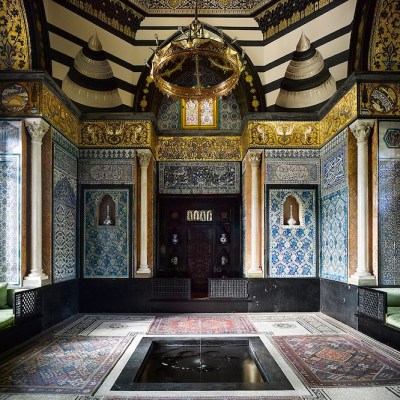
During travels through North Africa and western Asia, the German businessman Karl Ernst Osthaus amassed an extensive collection of Islamic art. Many examples remain at the museum he founded in 1902, which is putting 300 objects of Islamic art from its collection in the spotlight.
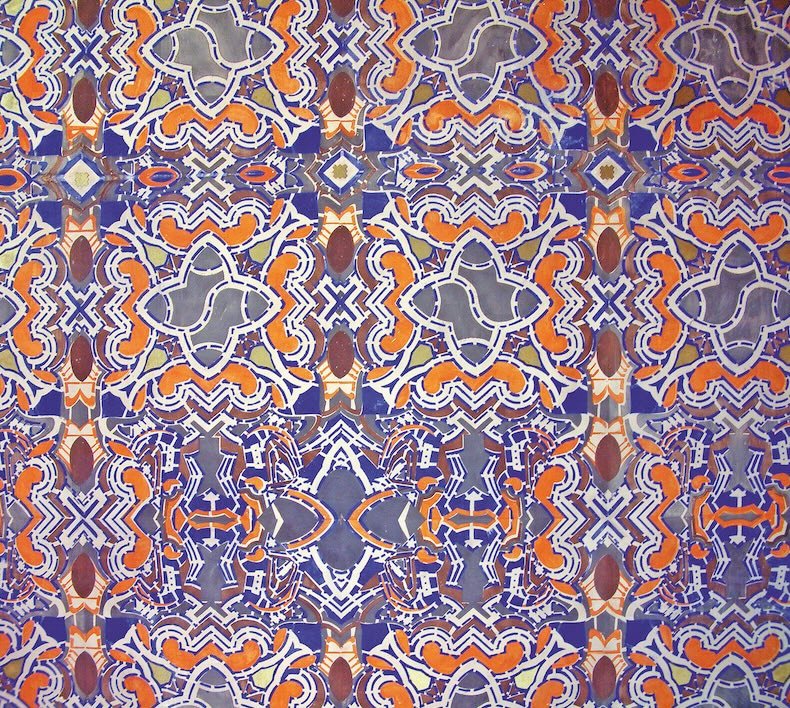
Hohenhof, Hagen (1911), Johan Thorn Prikker. Photo: © Stefan Fuhrmann
Print Revolutions: Chinese Impressions, 1630s–1960s
Cleveland Museum of Art
15 November–4 April 2027
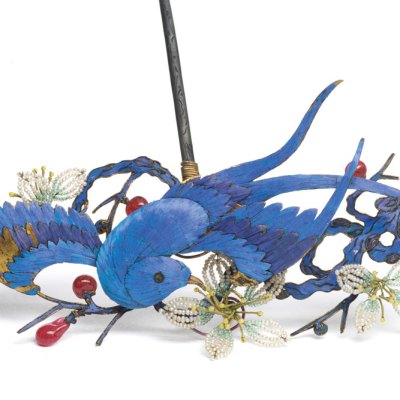
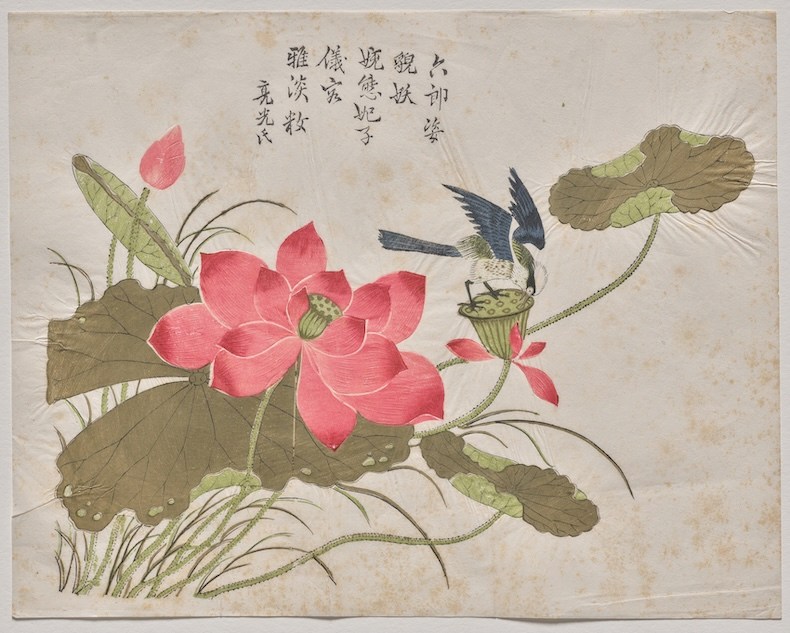
Spring blossoms, panoramic landscapes and scenes of nobility at home have been captured in stamped ink since the invention of woodblock printing in China more than a millennium ago. This exhibition focuses on more recent examples of the art form, comprising prints from the city of Suzhou made in the 1700s, as well as paintings and ceramics from that period until the 20th century.
Korea: The Kingdom of Scholars, 1600–1900
Musée Cernuschi, Paris
20 November–4 April 2027
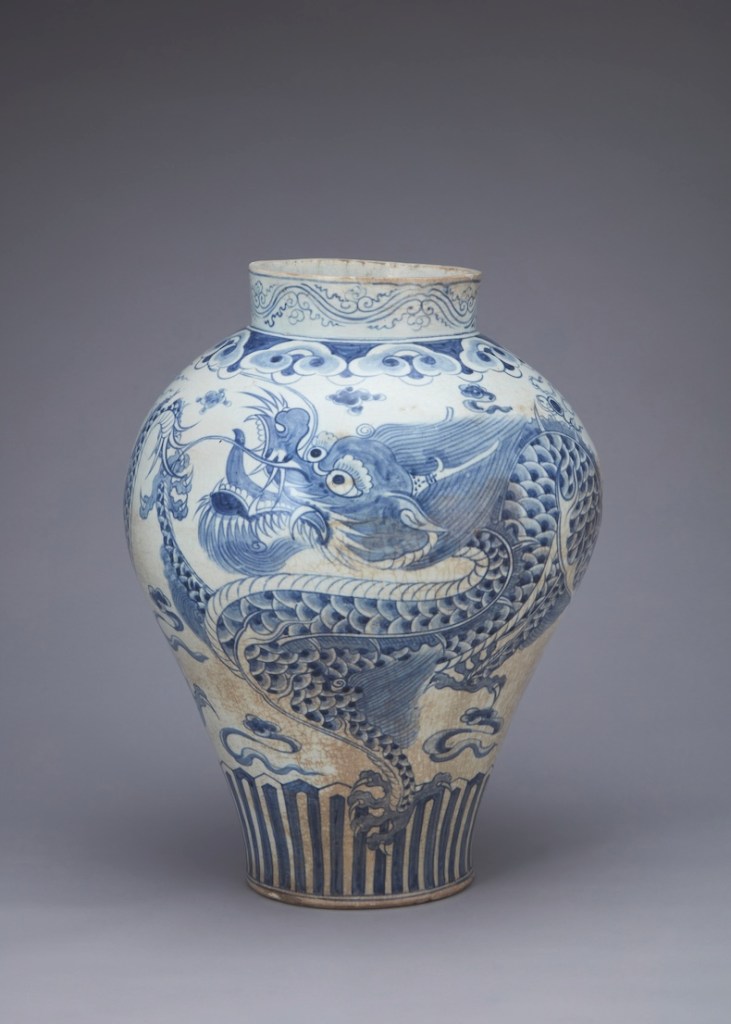
In Korea’s Joseon Dynasty (1392–1910), society was ruled not only by the royal family but also by the yangban, an aristocratic class of scholar-officials highly educated in literature and the arts. The ceramics, paintings, costumes and more presented here capture the tastes and talents of Korea’s literati, with highlights including a porcelain vase from the early 19th century decorated with a soaring dragon (pictured).
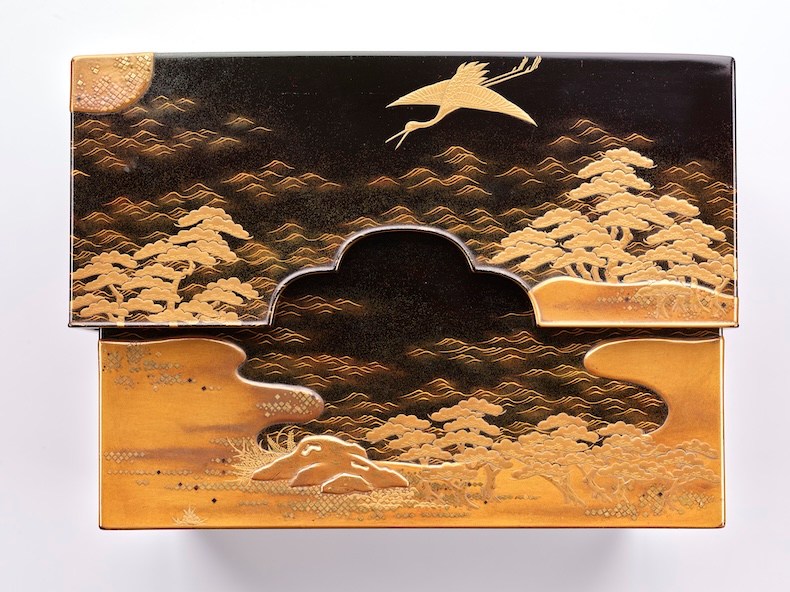
Adorned in Gold: Japanese Lacquer from the Jacqueline Avant Collection
National Museum of Asian Art, Washington, D.C.
21 November–2 January 2028
The objects in this show reflect the delicate art of maki-e, in which gold powder is dusted on to wet lacquer to decorate combs, trinket boxes and more.