From the December 2026 issue of Apollo.
Bernini: Painter and Sculptor
Palais Lobkowitz, Vienna
2 December–4 April 2027
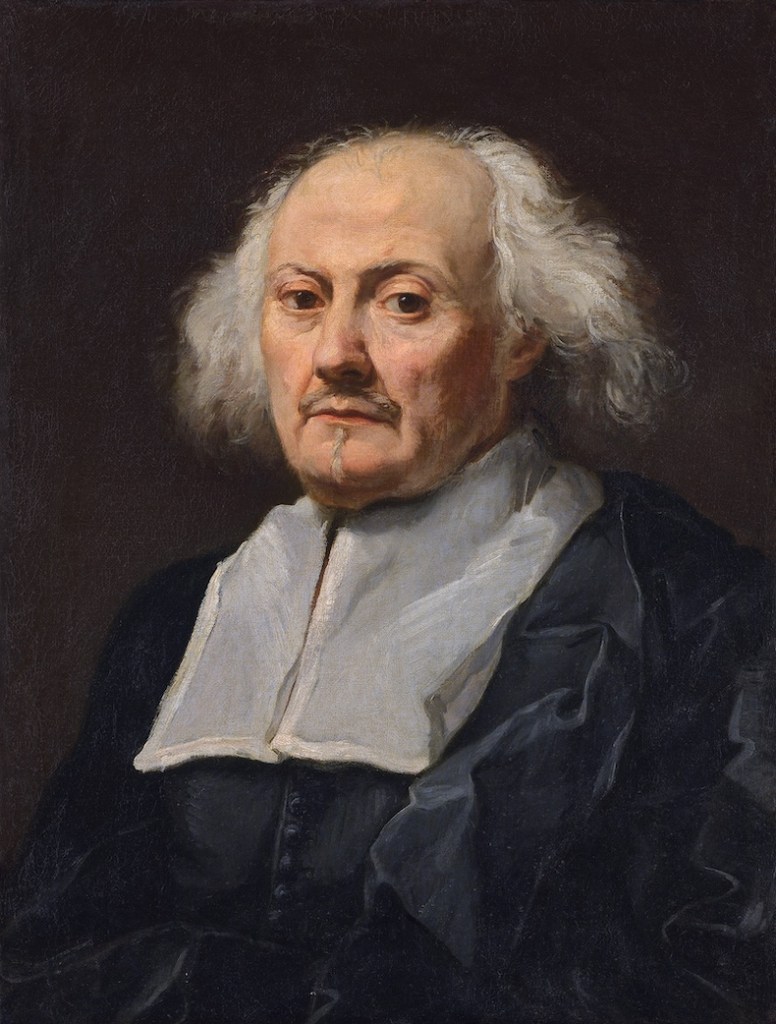
After decades collecting dust in the Kunsthistorisches Museum’s storeroom, Portrait of an Old Man (c. 1670) has recently been attributed to Gian Lorenzo Bernini – by whom very few paintings survive. The canvas is the focal point of this exhibition at the Palais Lobkowitz, around which the museum has gathered loans from across Europe to support this exciting new claim.
Magnifico 1492
Gallerie degli Uffizi, Florence
3 December–1 March 2027
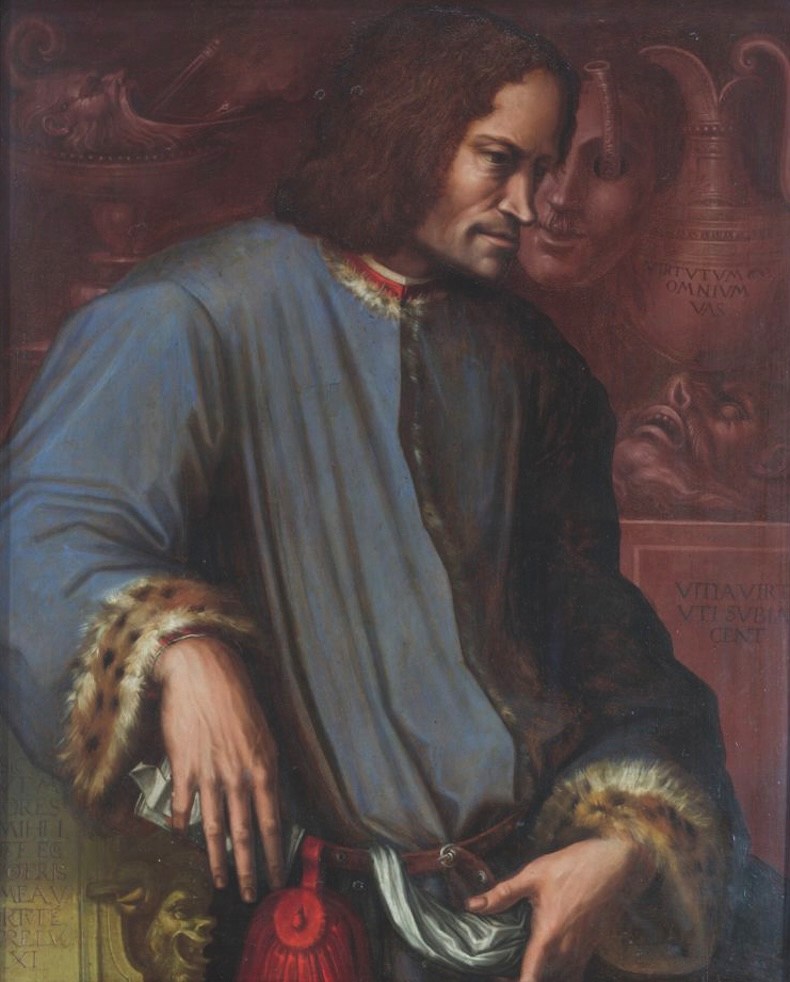
Lorenzo de’ Medici – known as ‘Il Magnifico’ – followed in his predecessors’ footsteps to become one of Europe’s most celebrated patrons, with Leonardo and Botticelli among the artists welcomed into his court. In 1492, the year of Lorenzo’s death, an inventory was taken of the Medici’s vast collection of art; this show recreates that group of works, with highlights including a portrait of Lorenzo by Vasari (c. 1533–34).
Origami Unfolded
Peabody Essex Museum, Salem
5 December–17 September 2028
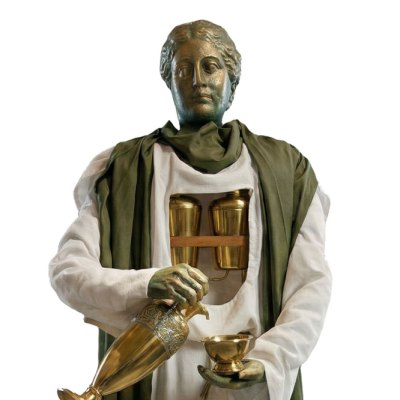
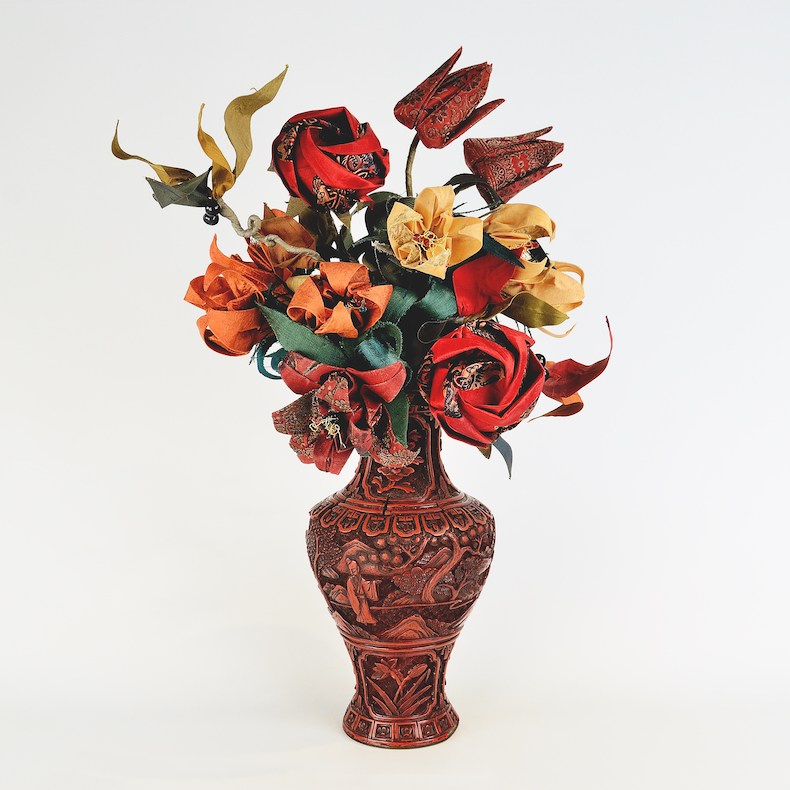
The ways in which origami has shaped progress in science and engineering are the focus of this show, which also includes work by contemporary masters such as Nikki Hu (2020).
William Morris: Common Paradise
Whitworth Art Gallery, Manchester
5 December–19 September 2027
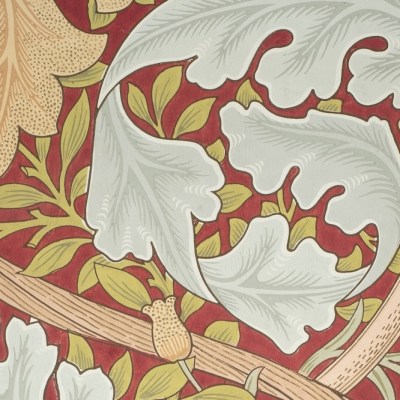
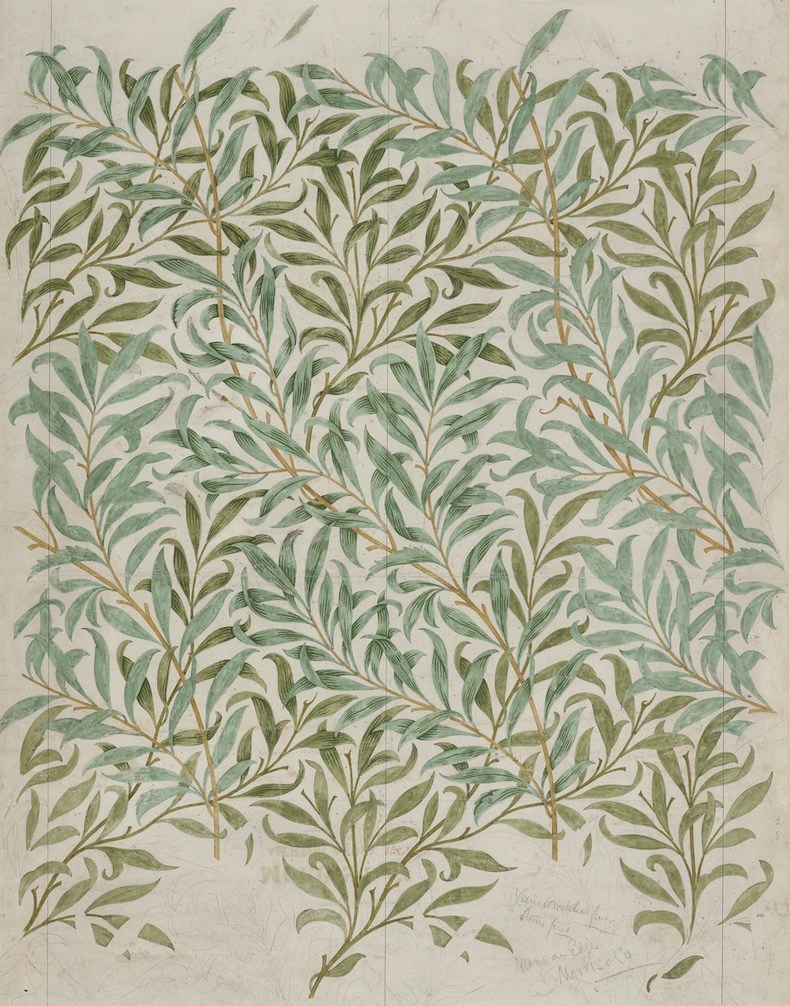
William Morris designed and produced home decor for wealthy clients, but one of the key tenets of his practice was that art should be accessible to all, regardless of background. Alongside textiles, wallpapers and ceramics, this exhibition includes books and personal ephemera that testify to the artist’s belief in social justice and respect for nature.
Memphis Art Museum
Opening 6 December
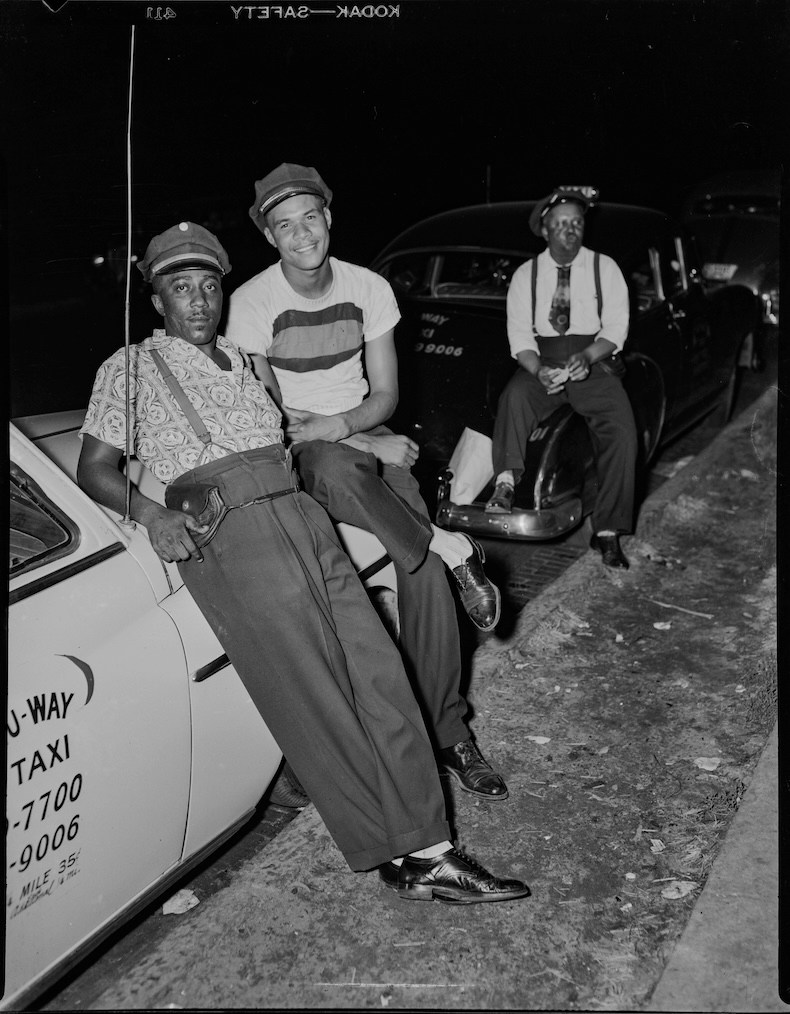
More than a century after Bessie Vance Brooks gave the city of Memphis $100,000 towards a museum in honour of her late husband, this institution has shed the name of Brooks and gained a new building by Herzog & de Meuron that doubles its exhibition space. Opening shows include a survey of images of Black life during the Jim Crow era by the city’s Hooks Brothers Photography Studio, and a presentation on American abstraction from Arthur Dove to Joan Mitchell.
Stunning Patterns: Woven Textiles from Madagascar’s Merina Kingdom
Cleveland Museum of Art
6 December–7 November 2027
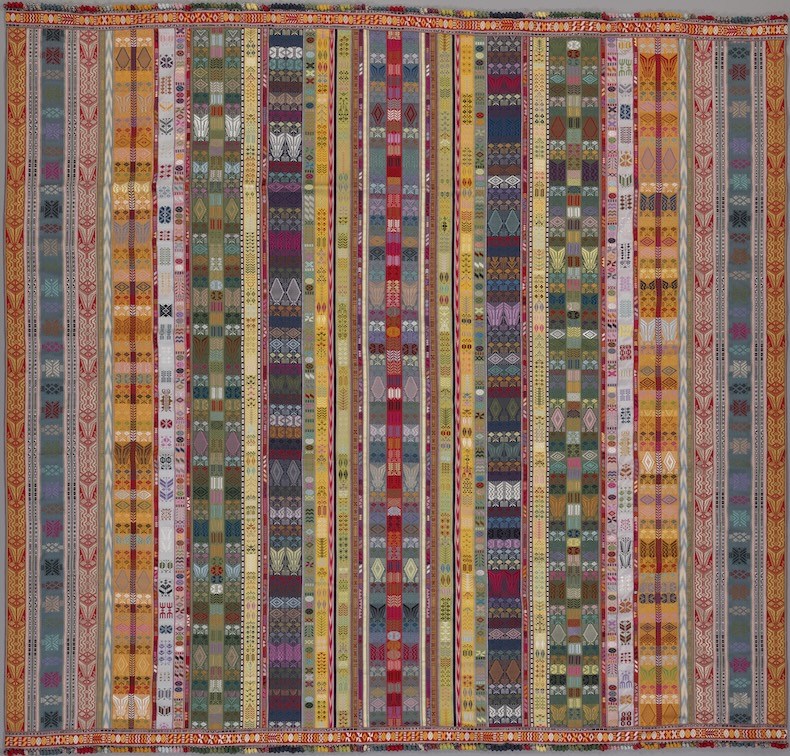
This history of eastern African silk weaving focuses on the Merina Kingdom, (c. 1540–1897), and more specifically the various iterations of lamba akotifahana, the Malagasy hand-woven mantles worn as signifiers of high status.
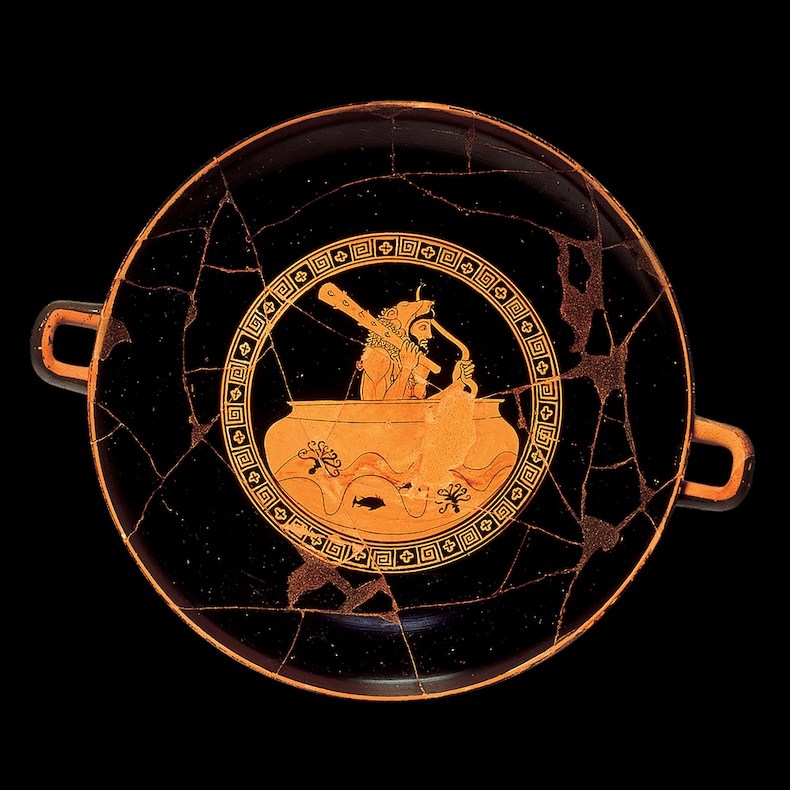
Across Wine-Dark Seas: Art and Identity beyond Ancient Greece
Metropolitan Museum of Art, New York
20 December–11 April 2027
Highlighting the connectivity of the ancient world, this display brings together some 180 works – in stone, metal, terracotta, glass and amber – made around the Mediterranean between the 8th and 5th century BC.
From the December 2026 issue of Apollo.