From the March 2026 issue of Apollo.
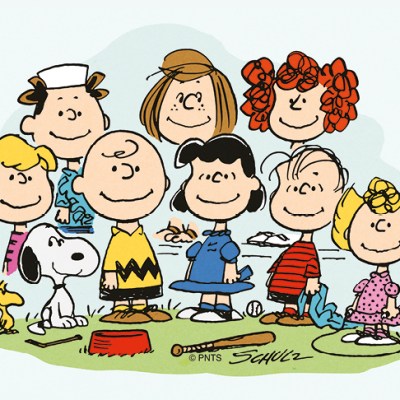
In Ang Lee’s film The Ice Storm (1997), Tobey Maguire plays Paul, a teenager growing up in wife-swapping 1970s Connecticut. While his parents negotiate turbulent love lives and he pines after a girl at his boarding school, Paul spends his time reading The Fantastic Four Vol I No. 141. The cover asks – in the language typical of comic books, suggesting an outcome the reader knows will never come to pass – ‘Is this the end of the Fantastic Four?’ During an interview to promote his film, Lee said he thought of American comic books as the great mythology of the country. Paul’s reading of The Fantastic Four is a sign that he is engaging with a vital cultural artefact. And, as the question on the cover of his book shows, comics are valued for their storytelling power. Comic-book artists use the panels to both frame the story and build narrative tension with almost instantaneous results – often displaying ingenious ways of harnessing narrative.
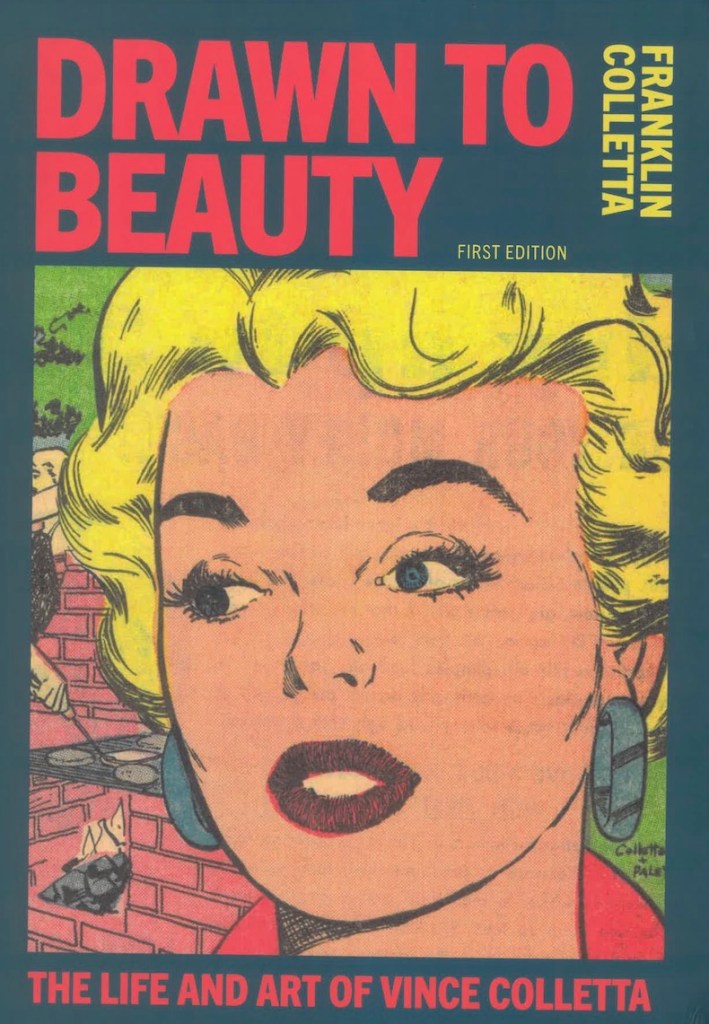
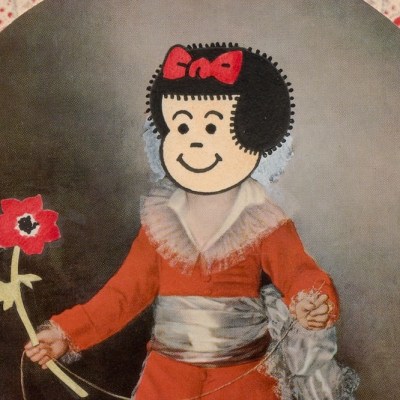
The first comic strip with a recurring character appeared in 19th-century London: Ally Sloper’s Half Holiday (1884), a then-unusual combination of words and images. Yet while comic books were traditionally dismissed as a debased form of entertainment for American and Japanese adolescent boys (as well as the sources for a multi-billion-dollar film empire), a new book shows how they come with their own traditions and virtuosos. Drawn to Beauty: The Life and Art of Vince Colletta (Black Spring Press) explores the work of an illustrator best known for his work ‘inking’ Jack Kirby’s drawings in Marvel’s Thor and Fantastic Four comics. Colletta (1923–91) is regarded as one of the finest inkers – the artists who translate the sketches into the image that is printed on the page. He was renowned for his delicacy and for giving the final shape to some of Marvel’s most popular characters, before leaving to eventually become the art director of rival company DC. But it’s what he did in between the two roles that might have become most influential.
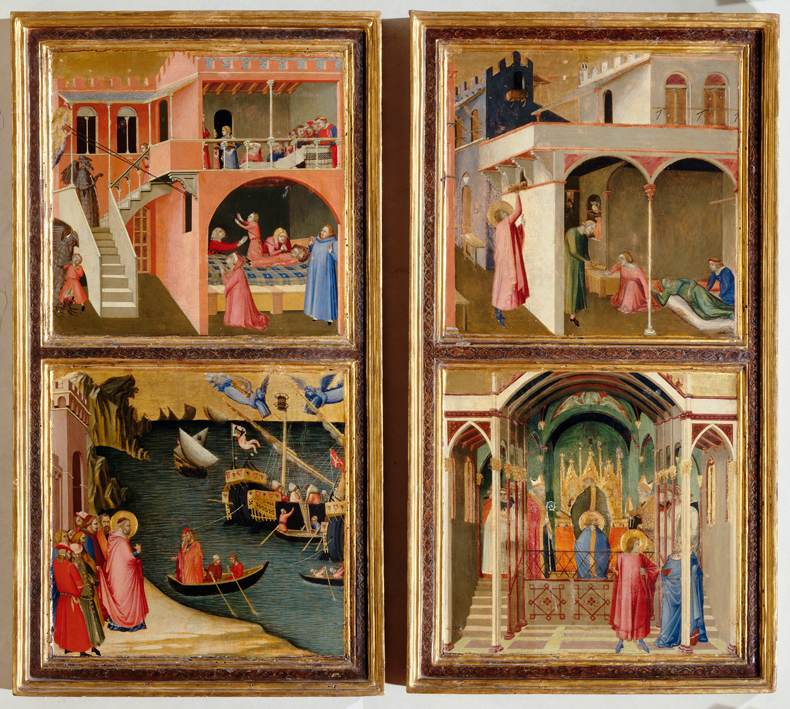
Immediately after his time in the Marvel universe, Colletta worked on a different kind of teen fare, inking the drawings for Teen-Age Love and First Kiss. These more romantic images caught the eye of Roy Lichtenstein, who translated them into a cornerstone of Pop art. This is interesting less for what it tells us about the relationship between highbrow art and popular culture than for how it illuminates the relationship between contemporary art and narrative. A hallmark of modernism is a suspicion of the narrative form, among visual artists as much as novelists. Yet painting is no stranger to story. Medieval art frequently showed different moments in a larger story, from gold-ground paintings – think of Ambrogio Lorenzetti’s Stories from the Life of Saint Nicholas (c. 1330–35) – to entire chapels decorated with frescoes showing the life of a saint.
Comic books display a similar belief in narrative – a trait that leads to them being read, in Lee’s words, as myths. This was often out of fashion in 20th-century high culture. The way that audiences encounter and interpret art today is so often to read the story around it. As social media smashes our understanding of the world into fragments, perhaps it is time to think about how the visual can show narrative – cause and effect, one thing leading to another – and to reappraise the importance of storyline in what we see.
From the March 2026 issue of Apollo.