From the May 2026 issue of Apollo.
In today’s world, discussing what may or may not happen in the future is even more of a mug’s game than normal. For the moment, the auctions that usually signal the beginning of the spring art season in New York are scheduled to go ahead. Following London’s last evening sales at the start of March, the New York sales were anticipated with quiet optimism: there was a hope that they would build on the stability shown at the beginning of the year and signal a return to a rising art market. It is too soon to say whether this will happen. Clearly, the major auction houses are doing everything they can to ensure as promising a sale season as possible.
There will likely be more announcements between the writing of this article in April and the start of the auctions. So far, Christie’s is stealing a march on its rival with its announcement of works from the Philadelphia home of Tylenol heir Henry ‘Hank’ S. McNeil, Jr. – an important collection of minimalist art, estimated to reach over $30m – and the collection of Marian Goodman (estimated at around $65m). Both are reasonably modest amounts for this time of year.
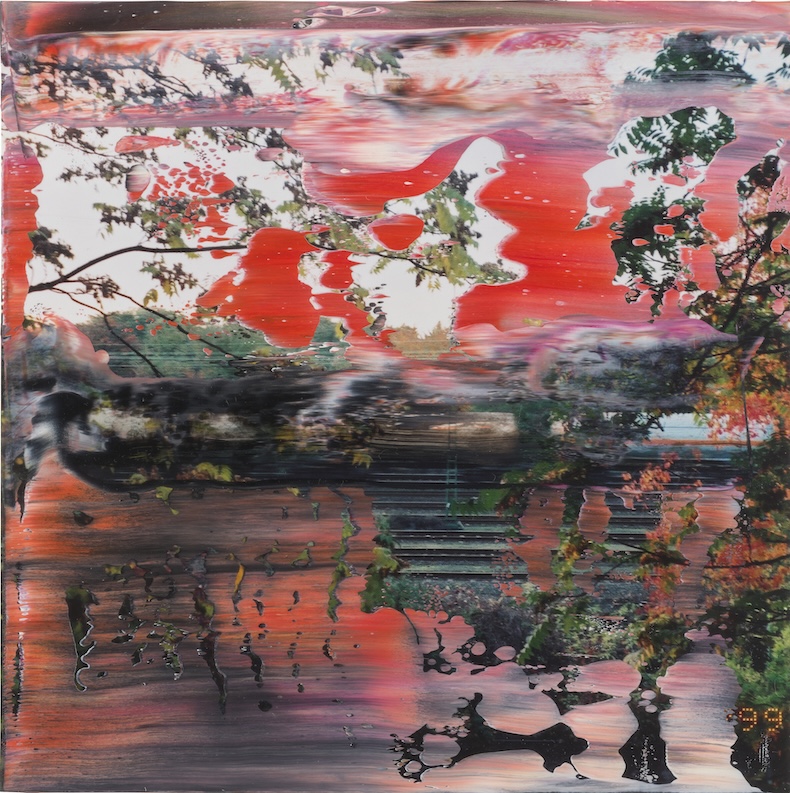
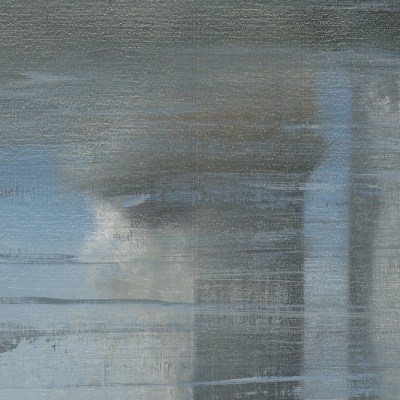
Goodman, who died at the age of 97 in January, was one of the great gallerists of the late 20th century. She introduced some of the most important contemporary European artists, such as Anselm Kiefer, Gerhard Richter and Maurizio Cattelan, to an American audience. Part of what cemented her reputation was her close relationship with her artists, which makes the upcoming sale particularly interesting. While Goodman’s collection is largely being sold in a stand-alone auction, Christie’s has selected seven works by Richter to include in the ‘21st Century Evening Sale’. Auction houses often use the word ‘important’ to describe works that they are selling; normally this means merely expensive. Yet, for once, both descriptions could be accurate here.
It is not unusual for auction houses to fillet the most valuable works from a collection and use them to bolster an evening sale. The evening sales represent the top of the market, though while they include the highest-value sales, they are not always the most profitable. Competition between rival houses means that deals are done with consignors that sacrifice profit in the interest of winning the work to maintain market share. The specialists who put these sales together find it easier to attract further high-quality and premium works if they have anchor works in the sale that will bring in an audience. Thus, they have a halo effect on other potential consignments. The stand-alone part of the sale is then offered to flatter the vanity of the collector – or, as is more often the case, the lawyers who are doing the deal on behalf of an estate.
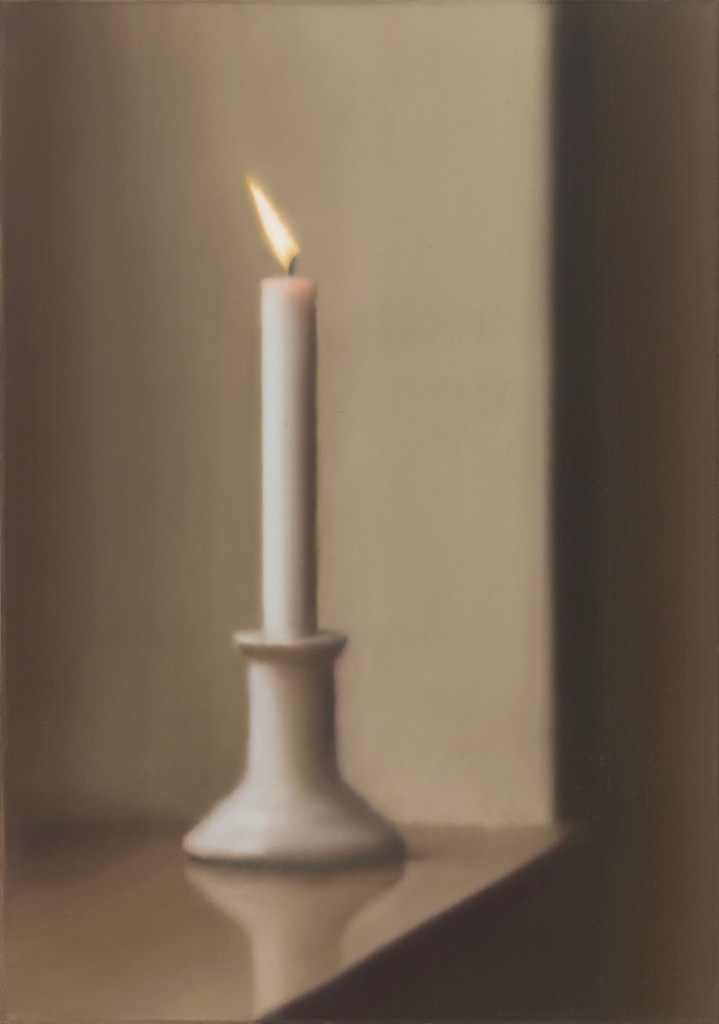
In one sense, the time is right for an auction of excellent Richters. He has been an auction darling for quite some time: when his Abstraktes Bild (599) (1986) sold in 2015 for $46m, it became the most valuable work of art by a living artist sold at auction. And his enormous monographic show at the Fondation Louis Vuitton has just come to an end. Even so, there are probably few auction specialists who want to put Richter’s status to the test against a background of geopolitical uncertainty. But what is perhaps more interesting is the opportunity to see a key relationship in the artist’s development illuminated through his own work.
As a gallerist, Goodman strove to offer a vision of art that was not about money, and she explored the ideas behind the works through dialogue with the artists. This sensibility will be writ large in the seven Richters coming to auction. Christie’s is, needless to say, capitalising on all this by giving the works the slightly folksy title ‘Marian’s Richters’. For all the noise in New York this month about art fairs, it’s possible that these seven works could offer the most psychologically fascinating story in the city. And when we know the auction results on 20 May, they will indicate the health of the market – a no less
fascinating story itself.
From the May 2026 issue of Apollo.