From the June 2026 issue of Apollo.
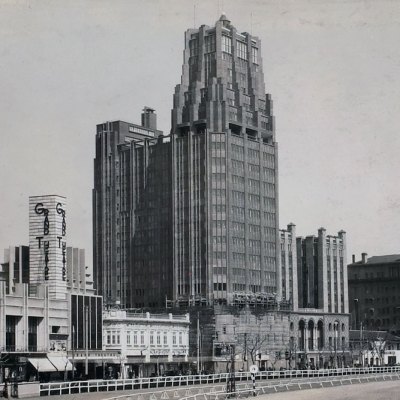
The National Gallery Singapore opened in 2015. It is the biggest museum in the country and, with a collection of more than 9,000 items, the largest collection dedicated to Singaporean and South East Asian art in the world. It is also a lesson in managing history. Rather than building a new gallery on a fresh slice of land, the National Gallery repurposed two buildings constructed during British rule. On one side is the classical Supreme Court, originally designed by Frank Dorrington Ward. On the other is the former City Hall originally designed by municipal architects S. D. Meadows and Alexander Gordon in 1926–29. These two buildings were yoked together by a French firm, Studio Milou, to create an expansive and generous space close to the Marina Bay, in an area known less for its sea views than for being the one that Singaporean estate agents get most excited about.
The City Hall is a symbol of both British colonialism and Japanese occupation (Japan used it as its civic headquarters during the Second World War). Yet it became an emblem of a different sort when used as the site of Prime Minister Lee Kuan Yew’s declaration of self-governance in 1959. There is something characteristic of the Millennium to see a potent political symbol transformed into a cultural venue, as though cultural development is the easiest way to expunge tricky political histories from society.
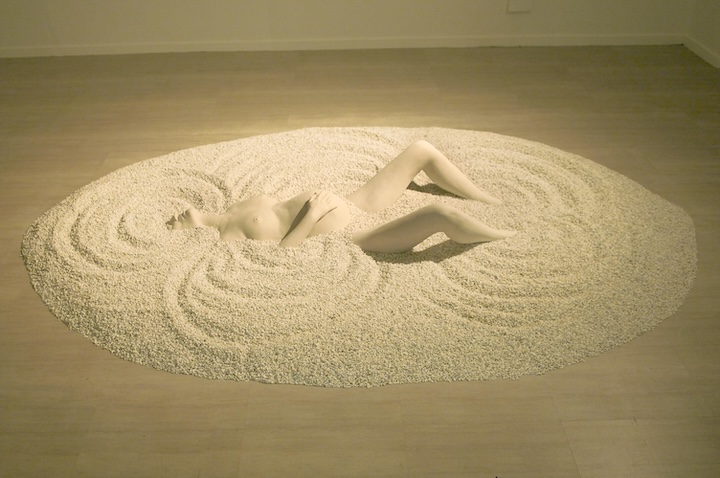
To its credit, the National Gallery itself has not sought to whitewash anything. The display of its permanent collection is concerned with the nation of Singapore and offers both historic and artistic narratives that are neither soft-pedalled nor easily digestible. This boldness was particularly apparent during a recent visit, where I saw the National Gallery’s latest exhibition, ‘Passion is Volcanic: Desire in Southeast Asian Art’ (until 30 August).
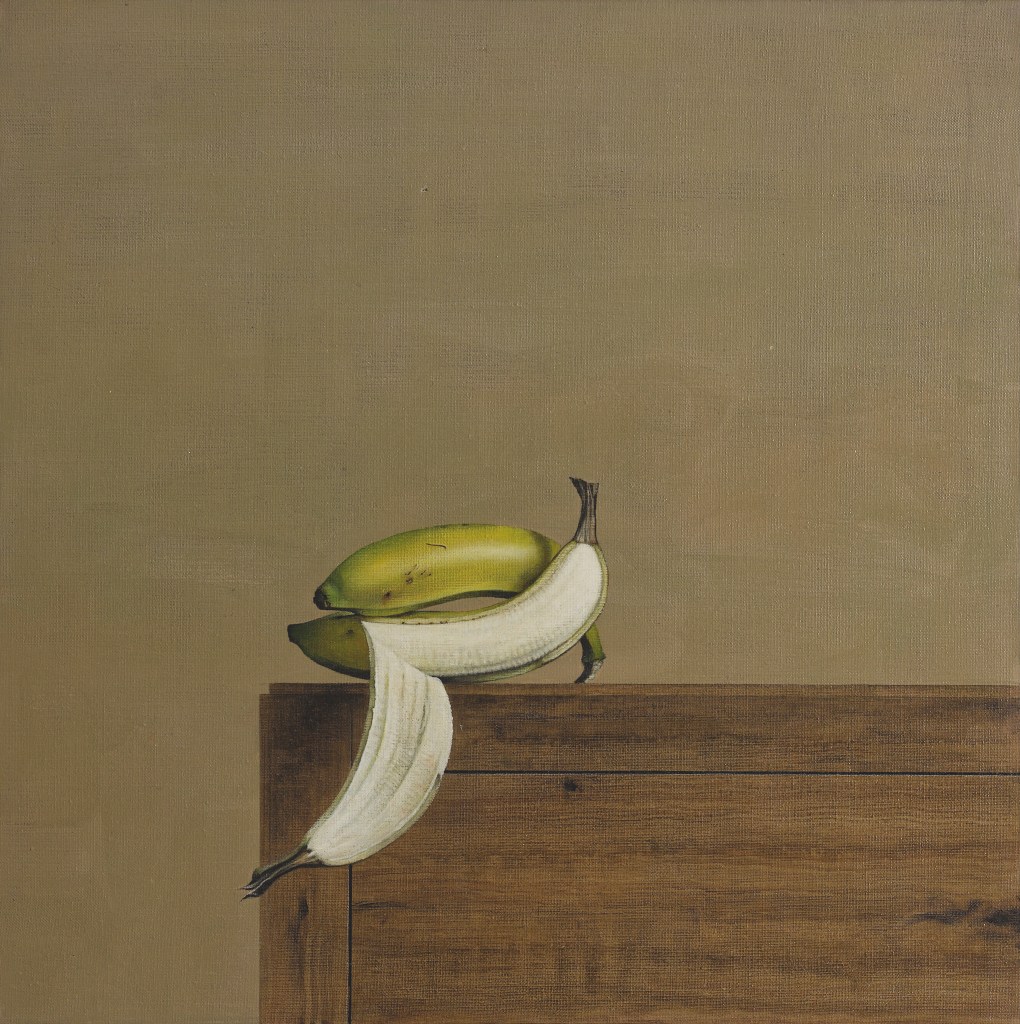
This is the first exhibition to explore desire and eroticism in South East Asian art. Singaporean law is caught between a censorious prudishness and a desire not to curtail a free market. That makes an exhibition of this sort particularly difficult to stage. The law allows its citizens to watch or look at pornography, but owning any pornographic material is illegal. This legal status, and public opinion, have made an exhibition of this sort essentially impossible. The National Gallery has negotiated with the government and offered various concessions to permit its staging. One of these concessions is that it is not open to anyone under the age of 18. Nor is any visitor allowed to take photographs.
There is nothing sensationalist behind the gallery’s doors and the curators have done an exquisite job tracing the depiction of feelings that have frequently been forbidden or disavowed. But it is no po-faced exploration of the subject. Works such as Ahmad Zakii Anwar’s Sixtynine 1 and Sixtynine 3 (2000) are brilliantly funny ways of approaching the erotic without being prurient. A self-portrait by Tan Peng, Singapore’s first openly gay artist, is moving for its plainness. Works such as the statue of Vajradhara and Prajnaparamita in passionate embrace, from the 14th or 15th century, remind you how long the tradition of erotic art is – and how its current taboo status is just a blip in its history. This daring, considered exhibition offers a counter-argument to the idea that a work of art needs to be loud and in-your-face to make a mark. Instead it is a group of people, both artists and academics, doing what they believe in. Carefully and quietly, they might just move the conversation and change the world.
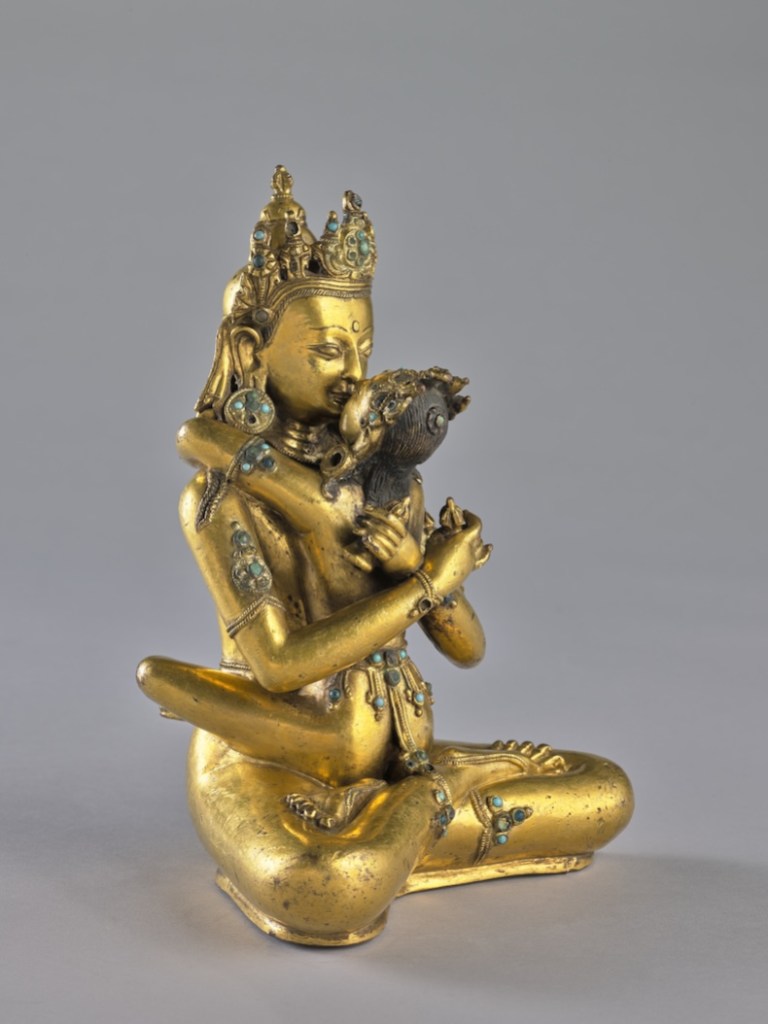
‘Passion is Volcanic: Desire in Southeast Asian Art’ is at National Gallery Singapore until 30 August.
From the June 2026 issue of Apollo.