From the January 2026 issue of Apollo. Preview and subscribe here.
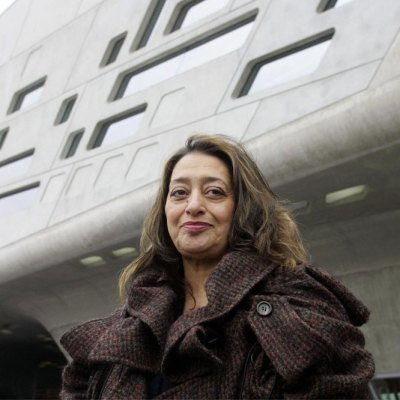
Last year, the National Museum of Qatar (NMoQ) celebrated its 50th anniversary. It has always been eye-catching. Built around the old Royal Palace, the museum won the Aga Khan Award for Architecture in 1980, setting a precedent for award-winning Qatari architectural projects. Of course, this is not the building that visitors see today. In 2015 work began on transforming the NMoQ to a new design by the French architect Jean Nouvel. His initial plan placed most of the museum underground, but this was scrapped in favour of the more striking building that now exists. Based on the structure of a ‘desert rose’, the intricate crystal formation of gypsum that naturally occurs in deserts, the museum is one of the most recognisable buildings in Doha.
There is often a risk with flashy buildings that the ego of the architect overshadows the purpose of the building – consider Daniel Libeskind’s ‘spiral’ extension to the V&A, mercifully unbuilt. Yet the NMoQ’s 2010s revamp recognised something that is important for the art world more widely. The point of this building was not to heap glory on the architect but to announce its presence. While it is difficult to see the entire completed building from outside the complex, corners of it can be glimpsed from all over the place. Its enormous stone-clad discs poke out into the city and beckon the viewer to approach. Inside, the galleries are designed not only to show off the collection but to tell a story through digital panels and carefully made films. Every aspect of the museum is designed to meet an audience on its own terms.
The question of audiences and where they can be found is one that is rattling around many museums across the world. The United States and the UK are particularly afflicted by the audience problem, but it is also an issue elsewhere. Gallerists and auction specialists are quick to acknowledge that we are in the middle of what’s called the Great Wealth Transfer, which will see Baby Boomers bequeath about $84 trillion in assets to their children and grandchildren by 2045. Art collections are a central part of this. The challenge for the market is to make sure that younger generations want to buy art.
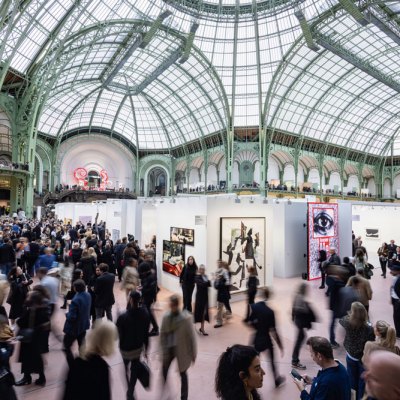
The art world, for all its talk of being ‘future facing’ and ‘innovative’, is still very traditional. A lot of what it does takes place in buildings that never change: art fairs, auctions and exhibitions all require a person to go to them. There’s good reason for this. Art objects are often unique and require a controlled environment in which to be exhibited. But if the art world is going to continue to attract people to look at these objects, it will have to figure out a way of meeting audiences where they are. It can feel reductive to discuss art in terms of the attention economy, but as the NMoQ shows, you can produce something that is serious yet still grabs your attention. The challenge for everyone else, as we start a new year, is how to repeat the trick in new ways.
From the January 2026 issue of Apollo. Preview and subscribe here.