From the September 2026 issue of Apollo.
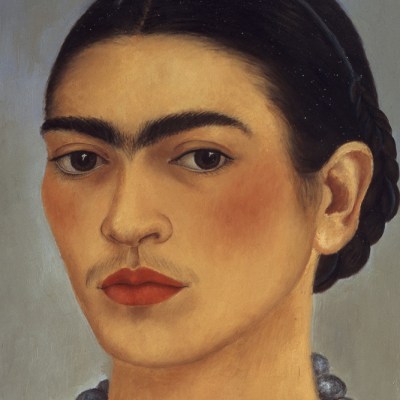
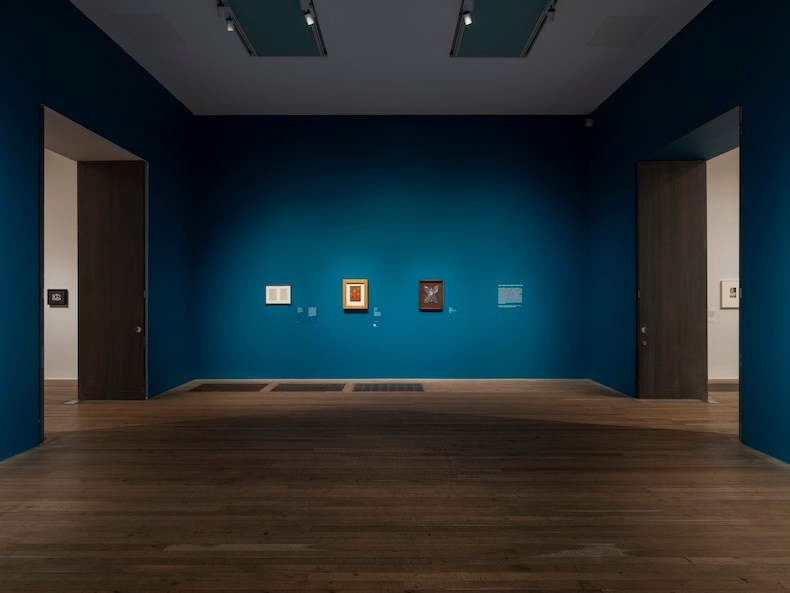
Rarely has the diminished cultural weight of criticism been so apparent as in the opening week of Tate Modern’s ‘Frida: The Making of an Icon’. The exhibition inspired that rare thing – consensus. Critics accused the show of carrying more padding than the artist’s felt-enhanced coiffure. Among the hundreds of works on display, only 33 are by Kahlo and, of those, only 23 are paintings. Almost all of these are clustered in the first half of the exhibition, interspersed with photographs, films, paintings by Kahlo’s contemporaries (including her husband Diego Rivera) and Mexican devotional art.
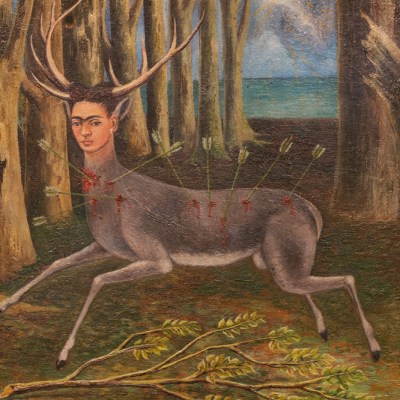
The second half is an extended homage – Frida as an emblem of Mexican pride, as feminist inspiration, as secular saint, as an embellishment to consumer goods. In the near absence of actual works by Kahlo, reference images of paintings not in the show have been pasted alongside works by other artists made in homage. In this exhibition about the making of an icon, most of the iconic works are elsewhere.
As an unapologetic Frida nerd, I shall admit here to being a soft touch. I was thrilled by the colour film of Kahlo by her lover Nickolas Muray and fascinated to see the works shown alongside hers in the exhibition organised by André Breton in Paris. The 1970s screen prints by Rupert García that started her posthumous transformation into a cultural icon were an exciting discovery. But even I think that the show would have been better at two thirds the length.
Critical froideur did nothing to cool Kahlo’s ardent fans. An unprecedented 41,000 tickets to the exhibition sold before it opened. From a financial perspective, there’s no question why a gallery might stage such a diluted spectacle: whether it’s socks or exhibition tickets, Kahlo sells. The question of why a gallery might have to do so from a curatorial perspective is more complex.
One key factor is scarcity. There are some 150 known paintings by Kahlo. That figure includes unfinished canvases, juvenilia, half a dozen paintings that have disappeared and the tragic unfocused works made late in her short life when she answered formidable pain with a formidable number of painkillers. Of the good Kahlos, there are maybe 100. Of the great Kahlos? There is a small pool of works, and any number of curators competing to borrow them.
Given Kahlo’s phenomenal popularity, institutions with her works in their collection are not always keen to loan them. The Two Fridas (1939) was the centrepiece of Tate Modern’s exhibition on the artist in 2005. These days the painting almost never leaves the Museo de Arte Moderno in Mexico City. Little wonder: it is the most famous work in the collection, a tourist attraction in its own right.
Since the pandemic, museums in the UK have adjusted their exhibition calendars. They schedule fewer shows and allow them to run for longer. Pre-pandemic, a four-month run was customary for a Tate Modern exhibition. This year, both Kahlo and Tracey Emin are in the gallery for six months. This places pressure on each exhibition to earn its keep and pull in the crowds. It also makes loans challenging. Any work on loan will be kept away from its home institution for longer and a show with a very long run will be in competition with a greater number of exhibitions hoping to borrow it.
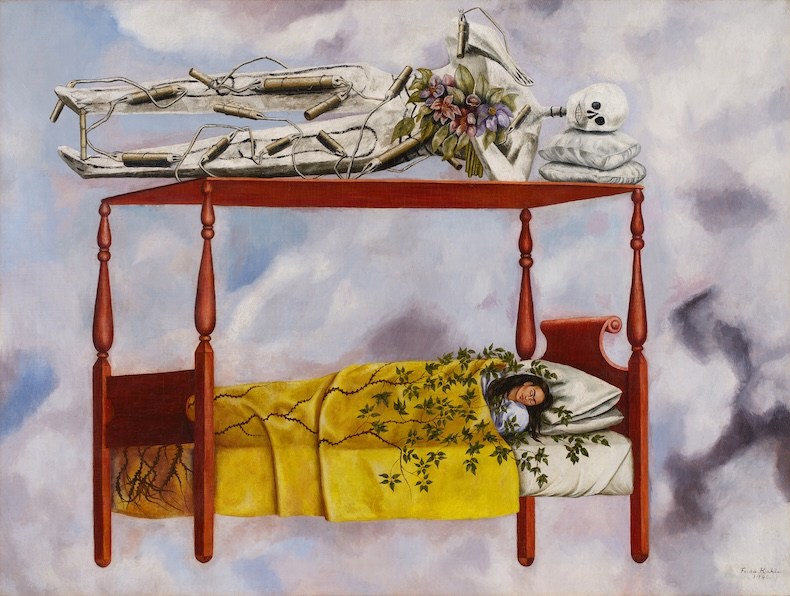
For private collectors, one motivation for loaning a work is the impact that inclusion in a significant exhibition can have on market value. There are few works by Kahlo in private hands, in part due to a Mexican presidential decree of 1984 that categorised her paintings as part of the national cultural heritage and prohibited their permanent export. Last year, Kahlo’s painting The Dream (The Bed) (1940) sold at Sotheby’s for $54.7m, the highest price ever paid for a work by a woman artist. This is not a market in need of enhancement. (Reportedly, the Tate attempted to borrow The Dream (The Bed) for the current exhibition but was turned down.) The grotesque sums now commanded by Kahlo’s works at auction in turn make them more expensive to insure, and thus to transport.
Museums such as Tate Modern have continued to expand over the last quarter century. Ludicrously, unsustainably, growth has become the metric of success for cultural institutions, which are expected to grow their audience, their collections, their self-generated income and their own square metreage. The cost of entry, too, has grown – Frida at full price is £25 – creating the expectation of a big show to match that big ticket. It is hoped that those high prices will in turn inspire more punters to take out a membership. Perhaps inevitably, all these competing pressures can lead to a ‘Never mind the quality, feel the width’ style of curating.
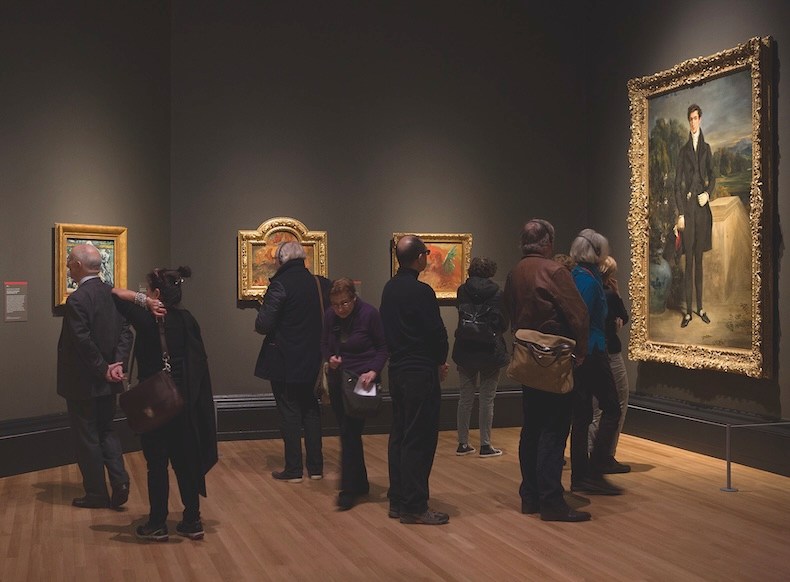
While fandom, scarcity, export restrictions and an excitable market all make Kahlo a special case, this instance of an exhibition padding its assets is not isolated, nor is the trick of marketing a group show on one big name. ‘Gauguin and the Impressionists’? ‘Van Gogh and Britain’? ‘Delacroix and the Rise of Modern Art’? Truly, in all these cases, ‘and’ was a hard-working conjunction. Should exhibitions show the work of an artist in context? Absolutely. Is it important to provide a sense of an artist’s legacy? Undoubtedly. Is there a point at which both of these worthy exercises can tip over into an over-extended digression? You betcha.
From the September 2026 issue of Apollo.