From the December 2026 issue of Apollo.
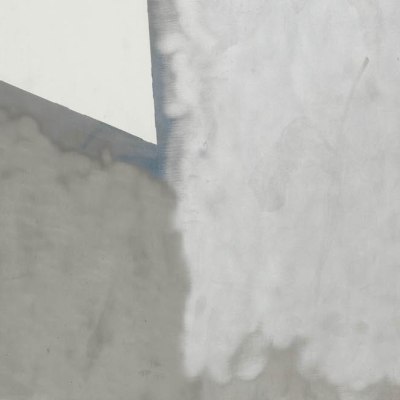
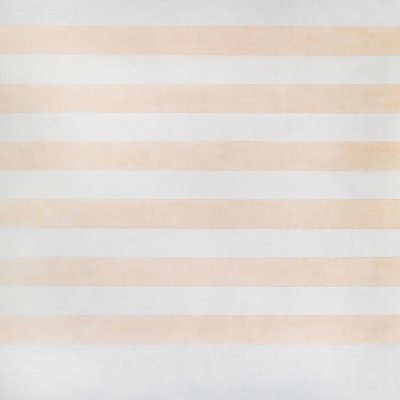
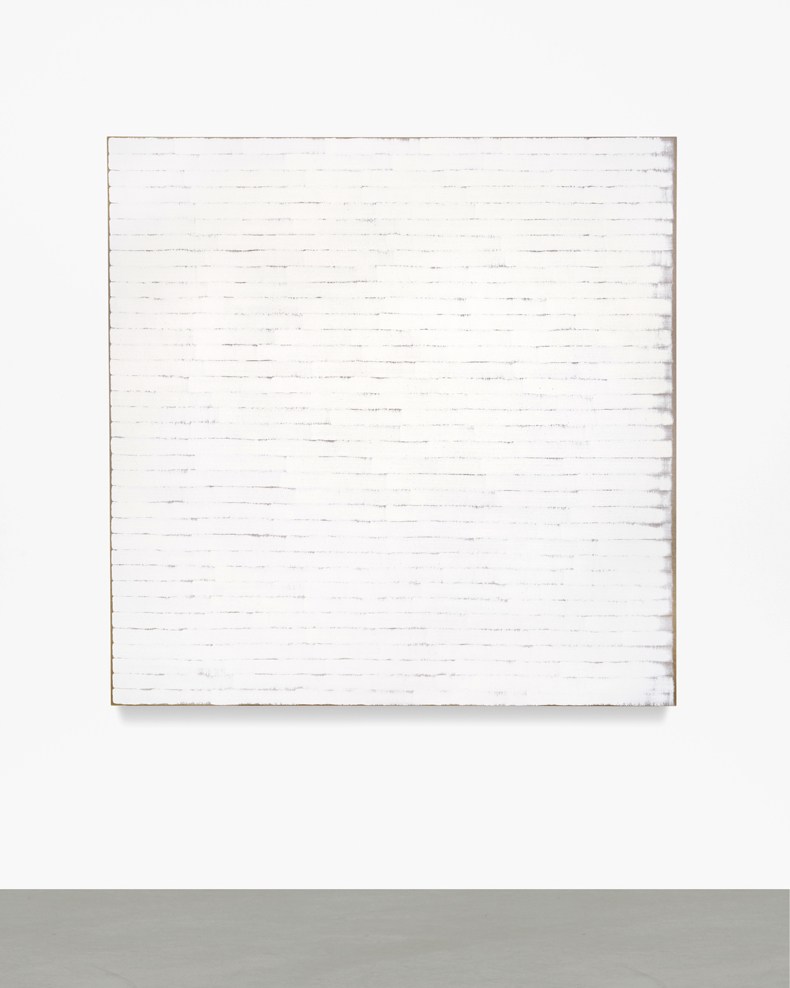
In 1994, Yasmina Reza’s play Art opened at the Comédie des Champs-Elysées in Paris. It became an international hit, transferring to the West End in London in 1996 (co-produced by none other than Sean Connery) and Broadway, New York, in 1998. It is about three friends arguing over a plain white painting. In 1999 a revival of The Real Thing by Tom Stoppard opened at the Donmar Warehouse and transferred to Broadway. It is, inter alia, about the difficulty of being sure that what you see is real. In October 2026 an exhibition opened at the Barbican called ‘The Real Thing’. It is about a lot of square white paintings by the American artist Robert Ryman. For an artist dedicated to apparently painting the same thing over and over, there’s a question of how, even tangentially, he came to be read so theatrically.
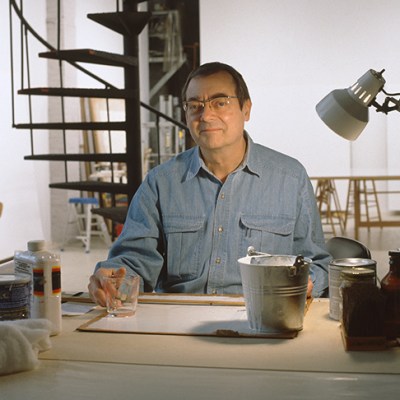
At a biographical level, Ryman (1930–2019) was no stranger to performance. When he arrived in New York in 1952, he did so with the aim of becoming a jazz musician. While he was attempting to make this dream a reality, he worked as a security guard at the Museum of Modern Art. He worked there from 1953 until 1960. Clearly for the proto-artist, that job became a lesson in looking.
There is one picture in the exhibition at the Barbican that is not white. It is what Ryman referred to as his first ‘professional’ work. The curators have tucked it away in a room at the back of the lower level, as though there is something embarrassing about it. It is bright orange. In any other context its vibrancy would demand attention. Seeing it after some 60 or so white paintings it is shocking in the way that shocking pink is intended to be. It is, perhaps, a little vulgar too: all that colour, all that attention-seeking.
Its presence in the exhibition is helpful for a couple of reasons. It instantly flags how far Ryman travelled in his pursuit of artistic perfection. Nothing says ‘artistic development’ quite as effectively as abandoning almost all colour. But it also gestures at what makes Ryman’s oeuvre so compelling.
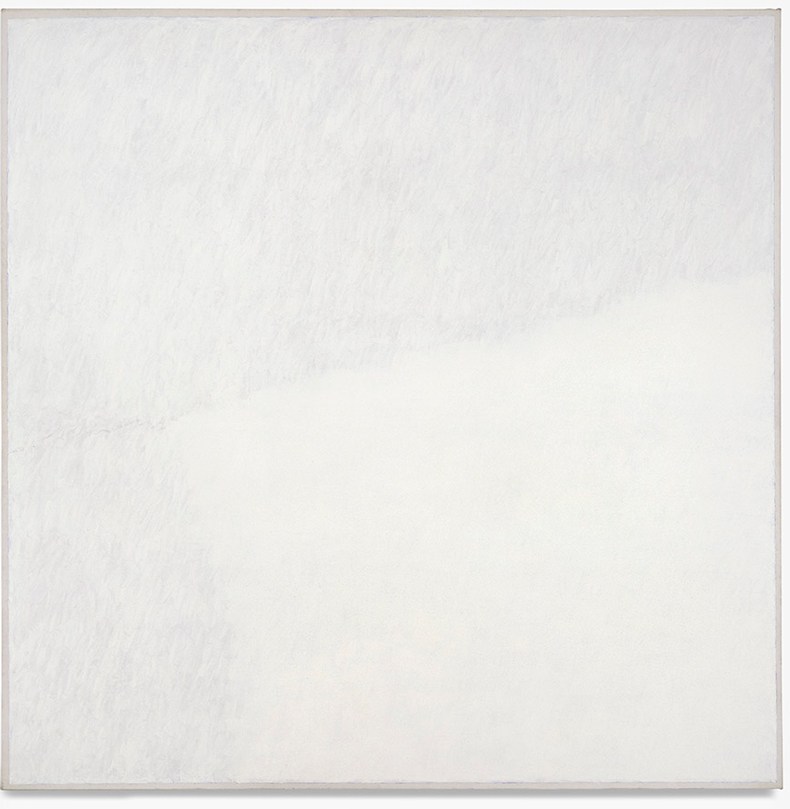
By removing everything but the brushstroke, Ryman forces the viewer to pay attention to the canvas in minute detail. There is nothing to focus on or distract but what the paint is doing. At points in his career, Ryman’s questioning of what happened on the surface of the painting expanded to include what the painting was made from. He experimented with the supports of the paintings, with works applied directly to the gallery wall or mounted on squares of tracing paper. Of course, these hugely affect the way you understand or take in the painting. By removing almost everything from art-making, Ryman made what little he left appear to be enormous.
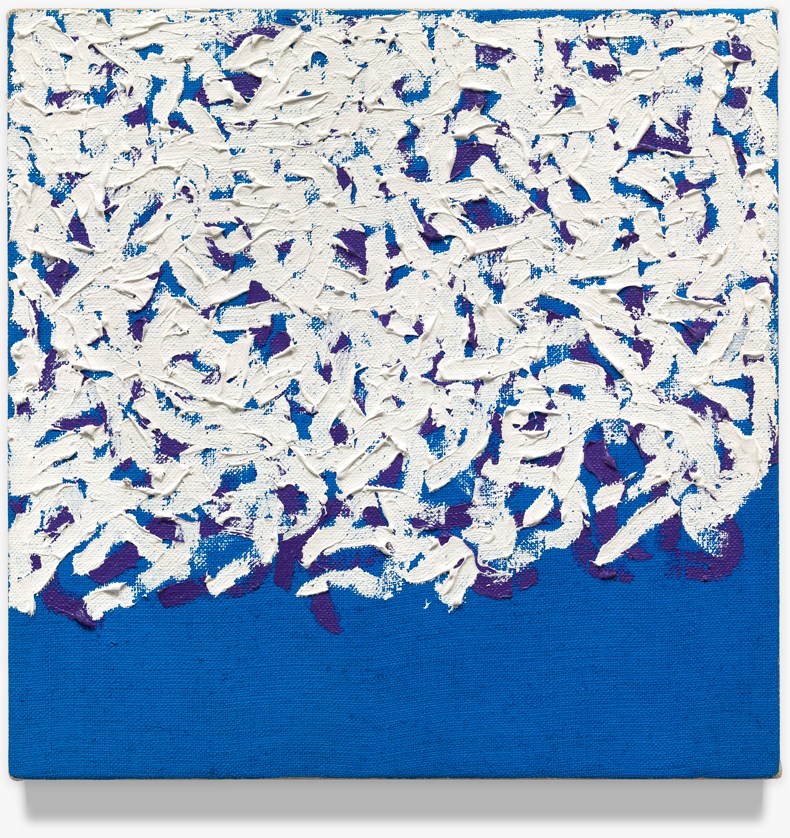
One aspect of looking at a painting, just as one aspect of watching a fencing match, is to appreciate the person at work through the way they manipulate a tiny extension of their hand – personality reduced to a point. When everything else has been stripped away and the only thing that can be considered is the point itself, the effect is dramatic.
A common talking point among art critics right now is that there is an abundance of contemporary artists producing paintings or flat art. At a time when screens are the dominant mode of conveying information, it does not seem so surprising to me that artists should be producing work that mimics or echoes that which can be seen on a screen. But the elision between ‘flat art’ (with its tone of dismissiveness) and painting is a roaring mistake. There are many joys to be found in the purity and strictness of Robert Ryman, not least the beauty of the work that allows so much to be projected on to it while revealing so very little. As his work goes to show, paint – when it is handled by an expert, by someone who really understands it; by a painter – is never flat or safe. Like life, it is dramatic and thrilling. It is the real thing.
From the December 2026 issue of Apollo.